What is the best espresso liqueur for cocktails? What is the best espresso liqueur for cocktails? How tos
How tos

What is the best espresso liqueur for cocktails?

Will

Written by Will / Views

Published - 30 March 2026

Key takeaways

  • Espresso liqueurs are crafted around the character in the espresso, rather than overloaded with sweetness and syrup.
  • The quality of the coffee in your liqueur determines the quality of your cocktail. Speciality-grade coffee brings complexity and depth that other coffee lacks.
  • The best espresso liqueur for cocktails balances richness and sweetness, with enough body to feel luxurious and enough restraint to compliment, not overwhelm, the espresso martini.
  • You can make an espresso martini without coffee liqueur, but you’ll lose the sweetness, depth, and texture of the cocktail.

The espresso martini is one of the most beloved cocktails in the world. And at the heart of every great one is a decision that doesn’t get nearly enough attention: which espresso liqueur are you using?

Many reach for the most recognisable bottle on the shelf. But if you want to make something genuinely special – a coffee cocktail with real depth, real richness, and speciality-coffee character – it’s worth thinking a little bit more about what goes into the shaker.

This is our guide to the best espresso liqueur for cocktails, what makes the category so varied, and why the choice you make here matters more than almost anything else in the cocktail.

What’s the difference between espresso liqueur and coffee liqueur?

The terms are often used interchangeably, and the truth is, there’s no hard legal distinction between them. But there’s a meaningful difference in spirit.

Coffee liqueur is a broad category. It covers everything from rum-based, vanilla-sweet bottles, like Kahlúa, which has been a bar staple since the 1940s, to lighter, syrupier products designed more as sweeteners than as expressions of great beans.

Espresso liqueur, by contrast, is crafted to taste like a well-made shot, rather than a sweetened approximation of one. The best espresso liqueurs are made with quality beans, expert distilling, and a neutral base spirit (usually vodka) that lets the coffee lead.

That’s the distinction that matters when you’re making an espresso martini. The sweetness of your liqueur will determine the balance of your drink. The quality of the coffee will determine the rest.

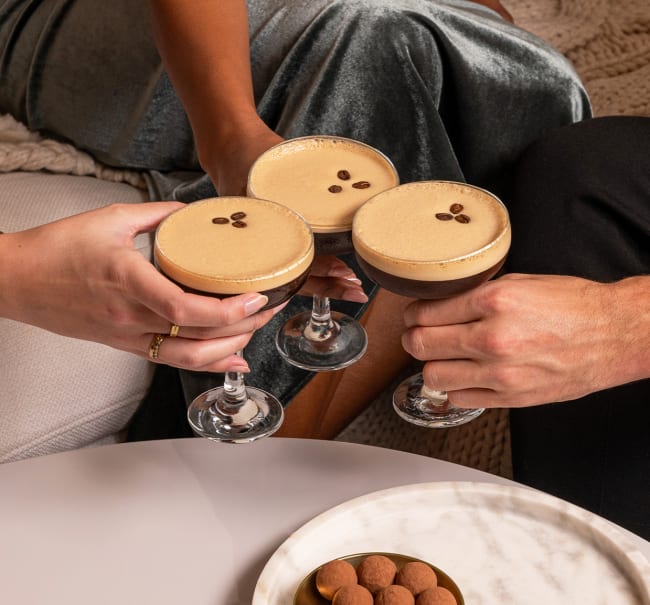
Pouring an espresso martini

What makes a great espresso liqueur for cocktails?

There are a few things to look for.

Coffee quality

This is the obvious one, but it’s where the biggest differences live. Commodity coffee and speciality coffee taste different in the cup, and they taste different in a cocktail too. 

Speciality-grade beans, scored above 80 points by professional tasters, grown with care, and processed with precision, bring flavour that ordinary beans simply can’t.

Level of sweetness

A liqueur that’s very sweet will dominate the drink and flatten its complexity. The best espresso liqueurs have enough sweetness to integrate smoothly but enough restraint to let everything else breathe.

This is ultimately a matter of taste, but as a rule: less sweet means more versatile and easier to balance.

Base spirit

Most espresso liqueurs are vodka-based, which is a smart choice – vodka is neutral enough to carry the coffee without adding competing flavours.

Some use rum, which brings warmth and tropical sweetness. Some use Cognac or tequila for more adventurous profiles. For an espresso martini, vodka-based is generally the best choice.

Mouthfeel

A good espresso liqueur should feel luxurious – creamy and velvety, rather than thin. 

This contributes to the texture of the finished cocktail, and it’s one of the things that separates a well-made liqueur from a functional-yet-forgettable one.

The best espresso liqueur for cocktails: Pact Espresso Liqueur

Around 48% of UK consumers now choose premium labels for coffee/espresso liqueurs, showing we’re increasingly put off by high-sugar, low-coffee bottles.

As a result, there’s a growing field of serious espresso liqueurs worth knowing about. Mr Black, from Australia, has done a lot to raise the category’s standards since launching in 2013. It’s cold-brew driven, low in sugar, and genuinely coffee-forward.

Another option is Caffè Borghetti, an Italian classic: dense, syrupy, and deeply flavoured, beloved by bartenders for its authenticity.

But for an espresso liqueur that combines outstandingly grown speciality coffee with a truly luxurious, cocktail-ready character – we created Pact Espresso Liqueur. 

Here’s what makes it different.

It starts with speciality-grade coffee

At Pact, we bring you speciality coffee from the world’s best growers without exception. The coffee that goes into the Pact Espresso Liqueur is of the same outstanding quality that’s in our bags – sourced directly from Oscar Ortiz Gonzalez on the El Silencio farm, in Colombia. 

It’s professionally graded and roasted with precision, so you’ll taste real complexity and character in your espresso martini.

It’s distilled at length with vodka for a velvety finish

Where some liqueurs are simply infused (coffee steeped in spirit and sweetened) the Pact Espresso Liqueur is made with real care and craft in the distillation process.

The result is a texture that’s rich and velvety without being cloying, with a finish that lasts in the way a great espresso should.

It’s creamy and rich without a sweetness overload

One of the most common criticisms of coffee liqueurs is that the sugar overwhelms everything else.

This espresso liqueur gets the balance right. There’s warmth and body here, and a naturally rich, creamy character that sits beautifully in an espresso martini — but it elevates, rather than flattens, the drink.

It works neat over ice

A true test of any liqueur is whether you’d happily drink it on its own. Pour Pact Espresso Liqueur over ice and you get a drink that’s genuinely pleasurable – complex, and coffee-forward, with a warmth and depth that rewards slow sipping.

quotes
To get the maximum from the coffee beans, we subject them to extreme pressure cold brew, definitely enough to squeeze a grape, with the alcohol for just under a week. This creates the luxurious aroma, mouthfeel, and unique flavours which make the ultimate coffee liqueur.
Aaron Darke, founder of Zymurgorium, distillers of Pact Espresso Liqueur
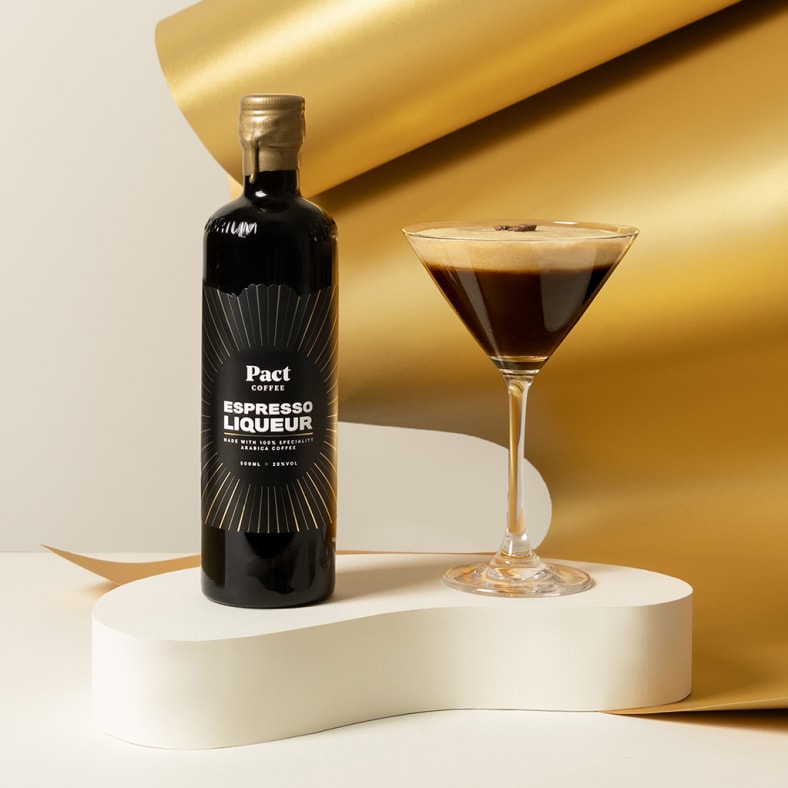
The Pact Espresso Liqueur

The best espresso martini recipe

Once you have the right liqueur, the espresso martini is a beautifully simple drink to make well. Here’s the recipe we’d recommend.

You’ll need:

  • 50ml vodka.
  • 35ml Pact Espresso Liqueur.
  • 25ml cooled espresso.
  • Ice.

How to make the best espresso martini

  • Fill your shaker with ice.
  • Add the vodka and espresso liqueur to your shaker.
  • Make your espresso and pour it into the shaker.
  • Put the lid on the shaker and shake until it’s cold to the touch.
  • Pour your cocktail into a glass, garnish with coffee beans, and enjoy.
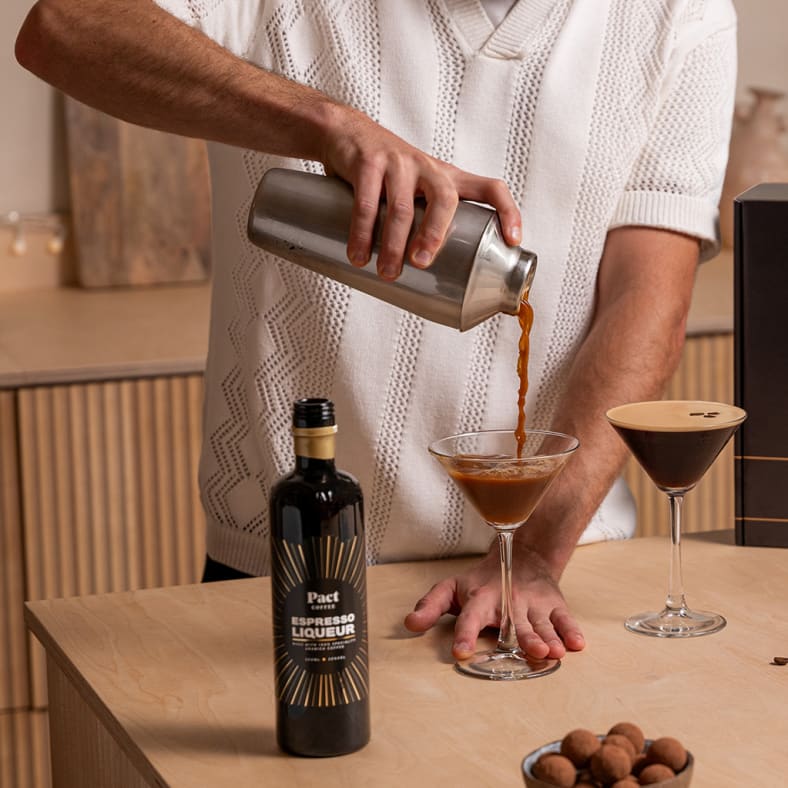
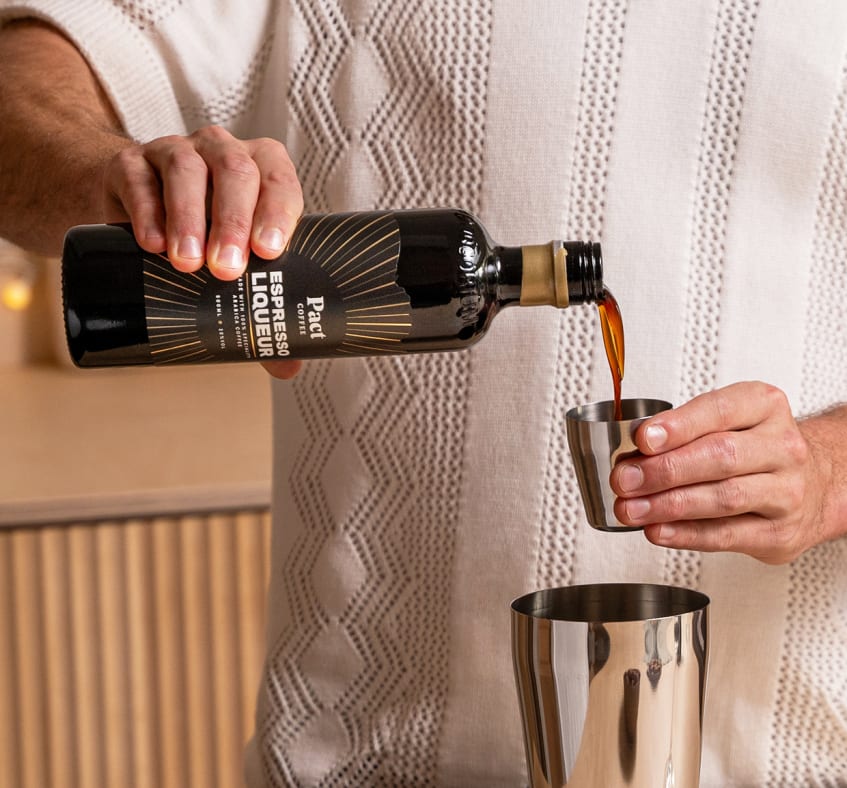
Pouring espresso liqueur for an espresso martini

Can I make an espresso martini without coffee liqueur?

This is one of the most common questions about the espresso martini. The short answer is, technically, yes, but you’ll lose much of what it contributes to the cocktail.

The coffee liqueur in an espresso martini does three things simultaneously.

It adds sweetness, to balance the sharpness of the espresso and the bite of the vodka. It adds coffee intensity, layering the flavour of the fresh espresso with something darker, richer, and more concentrated.

And it contributes to the texture of the drink – the roundness and body that makes an espresso martini feel genuinely luxurious rather than simply boozy.

If you remove the liqueur entirely, you’re left with a vodka espresso, which is fine, but a bit less complex and sweet. If you’re lacking that sweetness, we’d recommend adding some simple syrup, which won’t bring the same complexity, but still works well enough in a pinch.

Another option is to combine cold brew concentrate with some simple syrup and vodka. But if you’re making an espresso martini properly, the liqueur is the heart of the drink.

More cocktails to make with espresso liqueur

Over ice

The simplest serve, and often the best way to appreciate the liqueur itself.

Pour the Pact Espresso Liqueur over a large cube of ice and drink it slowly. It’s an excellent digestif or a very fine mid-evening drink when you want something rich and grounding.

The White Russian

A classic combination of vodka, coffee liqueur, and cream. Swapping your usual liqueur for Pact’s makes it considerably better – the speciality-coffee character gives the drink a depth and quality that lifts it considerably.

The espresso negroni

Replace the sweet vermouth with Pact Espresso Liqueur in a classic Negroni build and you get something dark, complex, and genuinely interesting – bitter from the Campari, rich from the gin, and depth from the coffee.

The coffee old fashioned

Use Bourbon, a small measure of espresso liqueur, and a few dashes of aromatic bitters, stirred long over ice. 

You can save £10 on our Espresso Liqueur Coffee Bundle here.

FAQs

What is the best espresso liqueur for cocktails?

The best espresso liqueur for cocktails is one made with speciality-grade coffee, a neutral base spirit like vodka, and enough restraint on sweetness to let the coffee lead. Pact Espresso Liqueur meets all three criteria.

What is the difference between espresso liqueur and coffee liqueur?

Coffee liqueur is a broad category, often built around sugar, caramel, and rum, with sweetness playing a dominant role. Espresso liqueur is more specific. It’s designed to taste like a well-made shot of espresso, with the coffee character leading rather than the sweetness.

What is the best espresso martini recipe?

Combine 50ml vodka, 35ml Pact Espresso Liqueur, and 25ml freshly brewed espresso in a shaker filled with ice. Shake until cold to the touch, pour into a glass, and garnish with three coffee beans.

Can you make an espresso martini without coffee liqueur?

Yes, but you’ll lose much of what makes the drink work. Coffee liqueur adds sweetness, coffee intensity, and the rounded texture that makes an espresso martini feel luxurious.

What is the best espresso liqueur for cocktails?

Will

Written by Will

Views

Published - 30 March 2026

Key takeaways

  • Espresso liqueurs are crafted around the character in the espresso, rather than overloaded with sweetness and syrup.
  • The quality of the coffee in your liqueur determines the quality of your cocktail. Speciality-grade coffee brings complexity and depth that other coffee lacks.
  • The best espresso liqueur for cocktails balances richness and sweetness, with enough body to feel luxurious and enough restraint to compliment, not overwhelm, the espresso martini.
  • You can make an espresso martini without coffee liqueur, but you’ll lose the sweetness, depth, and texture of the cocktail.

The espresso martini is one of the most beloved cocktails in the world. And at the heart of every great one is a decision that doesn’t get nearly enough attention: which espresso liqueur are you using?

Many reach for the most recognisable bottle on the shelf. But if you want to make something genuinely special – a coffee cocktail with real depth, real richness, and speciality-coffee character – it’s worth thinking a little bit more about what goes into the shaker.

This is our guide to the best espresso liqueur for cocktails, what makes the category so varied, and why the choice you make here matters more than almost anything else in the cocktail.

What’s the difference between espresso liqueur and coffee liqueur?

The terms are often used interchangeably, and the truth is, there’s no hard legal distinction between them. But there’s a meaningful difference in spirit.

Coffee liqueur is a broad category. It covers everything from rum-based, vanilla-sweet bottles, like Kahlúa, which has been a bar staple since the 1940s, to lighter, syrupier products designed more as sweeteners than as expressions of great beans.

Espresso liqueur, by contrast, is crafted to taste like a well-made shot, rather than a sweetened approximation of one. The best espresso liqueurs are made with quality beans, expert distilling, and a neutral base spirit (usually vodka) that lets the coffee lead.

That’s the distinction that matters when you’re making an espresso martini. The sweetness of your liqueur will determine the balance of your drink. The quality of the coffee will determine the rest.

Pouring an espresso martini

What makes a great espresso liqueur for cocktails?

There are a few things to look for.

Coffee quality

This is the obvious one, but it’s where the biggest differences live. Commodity coffee and speciality coffee taste different in the cup, and they taste different in a cocktail too. 

Speciality-grade beans, scored above 80 points by professional tasters, grown with care, and processed with precision, bring flavour that ordinary beans simply can’t.

Level of sweetness

A liqueur that’s very sweet will dominate the drink and flatten its complexity. The best espresso liqueurs have enough sweetness to integrate smoothly but enough restraint to let everything else breathe.

This is ultimately a matter of taste, but as a rule: less sweet means more versatile and easier to balance.

Base spirit

Most espresso liqueurs are vodka-based, which is a smart choice – vodka is neutral enough to carry the coffee without adding competing flavours.

Some use rum, which brings warmth and tropical sweetness. Some use Cognac or tequila for more adventurous profiles. For an espresso martini, vodka-based is generally the best choice.

Mouthfeel

A good espresso liqueur should feel luxurious – creamy and velvety, rather than thin. 

This contributes to the texture of the finished cocktail, and it’s one of the things that separates a well-made liqueur from a functional-yet-forgettable one.

The best espresso liqueur for cocktails: Pact Espresso Liqueur

Around 48% of UK consumers now choose premium labels for coffee/espresso liqueurs, showing we’re increasingly put off by high-sugar, low-coffee bottles.

As a result, there’s a growing field of serious espresso liqueurs worth knowing about. Mr Black, from Australia, has done a lot to raise the category’s standards since launching in 2013. It’s cold-brew driven, low in sugar, and genuinely coffee-forward.

Another option is Caffè Borghetti, an Italian classic: dense, syrupy, and deeply flavoured, beloved by bartenders for its authenticity.

But for an espresso liqueur that combines outstandingly grown speciality coffee with a truly luxurious, cocktail-ready character – we created Pact Espresso Liqueur. 

Here’s what makes it different.

It starts with speciality-grade coffee

At Pact, we bring you speciality coffee from the world’s best growers without exception. The coffee that goes into the Pact Espresso Liqueur is of the same outstanding quality that’s in our bags – sourced directly from Oscar Ortiz Gonzalez on the El Silencio farm, in Colombia. 

It’s professionally graded and roasted with precision, so you’ll taste real complexity and character in your espresso martini.

It’s distilled at length with vodka for a velvety finish

Where some liqueurs are simply infused (coffee steeped in spirit and sweetened) the Pact Espresso Liqueur is made with real care and craft in the distillation process.

The result is a texture that’s rich and velvety without being cloying, with a finish that lasts in the way a great espresso should.

It’s creamy and rich without a sweetness overload

One of the most common criticisms of coffee liqueurs is that the sugar overwhelms everything else.

This espresso liqueur gets the balance right. There’s warmth and body here, and a naturally rich, creamy character that sits beautifully in an espresso martini — but it elevates, rather than flattens, the drink.

It works neat over ice

A true test of any liqueur is whether you’d happily drink it on its own. Pour Pact Espresso Liqueur over ice and you get a drink that’s genuinely pleasurable – complex, and coffee-forward, with a warmth and depth that rewards slow sipping.
quotes
To get the maximum from the coffee beans, we subject them to extreme pressure cold brew, definitely enough to squeeze a grape, with the alcohol for just under a week. This creates the luxurious aroma, mouthfeel, and unique flavours which make the ultimate coffee liqueur.
Aaron Darke, founder of Zymurgorium, distillers of Pact Espresso Liqueur
The Pact Espresso Liqueur

The best espresso martini recipe

Once you have the right liqueur, the espresso martini is a beautifully simple drink to make well. Here’s the recipe we’d recommend.

You’ll need:

  • 50ml vodka.
  • 35ml Pact Espresso Liqueur.
  • 25ml cooled espresso.
  • Ice.

How to make the best espresso martini

  • Fill your shaker with ice.
  • Add the vodka and espresso liqueur to your shaker.
  • Make your espresso and pour it into the shaker.
  • Put the lid on the shaker and shake until it’s cold to the touch.
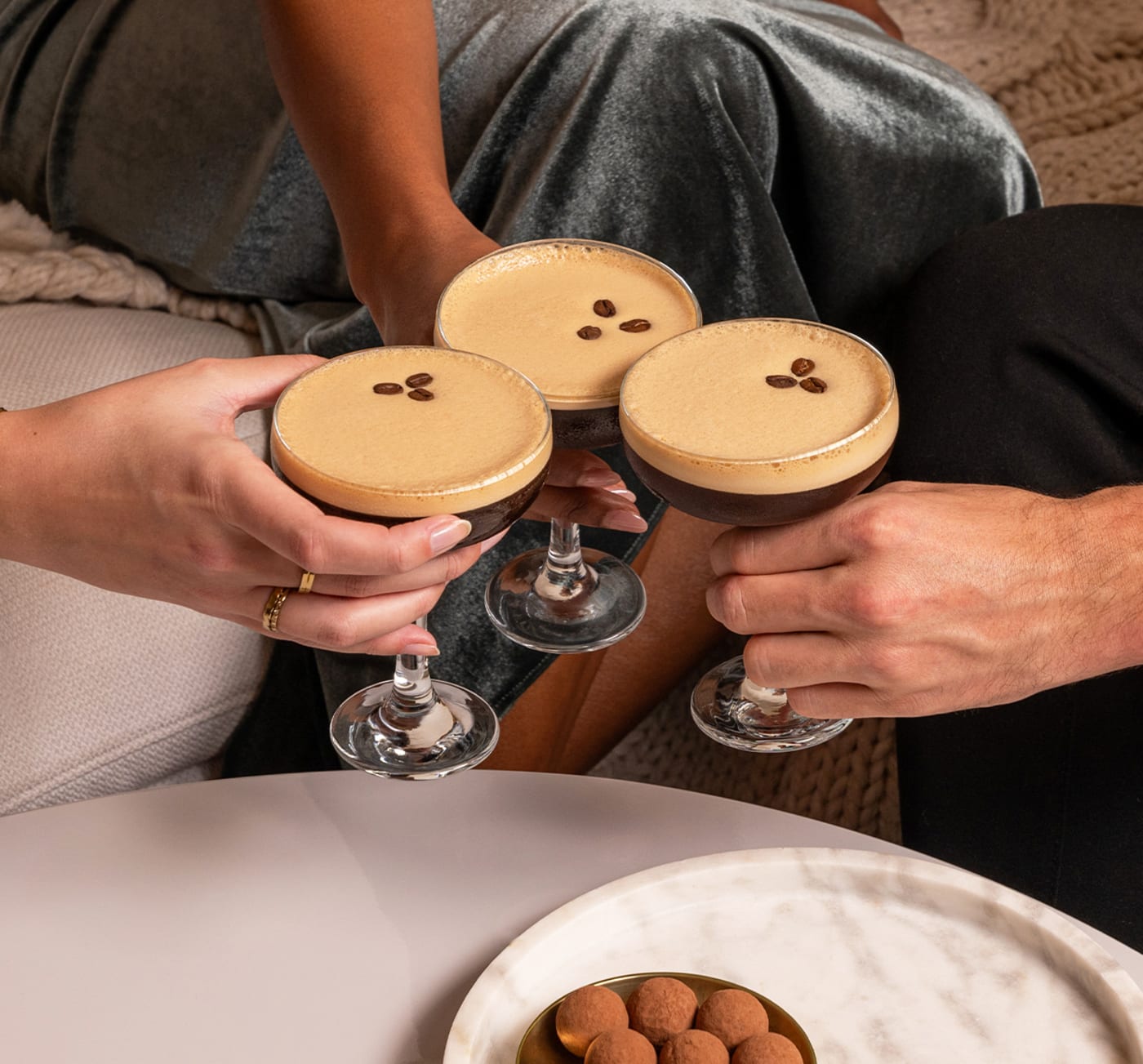
  • Pour your cocktail into a glass, garnish with coffee beans, and enjoy.
Pouring espresso liqueur for an espresso martini

Can I make an espresso martini without coffee liqueur?

This is one of the most common questions about the espresso martini. The short answer is, technically, yes, but you’ll lose much of what it contributes to the cocktail.

The coffee liqueur in an espresso martini does three things simultaneously.

It adds sweetness, to balance the sharpness of the espresso and the bite of the vodka. It adds coffee intensity, layering the flavour of the fresh espresso with something darker, richer, and more concentrated.

And it contributes to the texture of the drink – the roundness and body that makes an espresso martini feel genuinely luxurious rather than simply boozy.

If you remove the liqueur entirely, you’re left with a vodka espresso, which is fine, but a bit less complex and sweet. If you’re lacking that sweetness, we’d recommend adding some simple syrup, which won’t bring the same complexity, but still works well enough in a pinch.

Another option is to combine cold brew concentrate with some simple syrup and vodka. But if you’re making an espresso martini properly, the liqueur is the heart of the drink.

More cocktails to make with espresso liqueur

Over ice

The simplest serve, and often the best way to appreciate the liqueur itself.

Pour the Pact Espresso Liqueur over a large cube of ice and drink it slowly. It’s an excellent digestif or a very fine mid-evening drink when you want something rich and grounding.

The White Russian

A classic combination of vodka, coffee liqueur, and cream. Swapping your usual liqueur for Pact’s makes it considerably better – the speciality-coffee character gives the drink a depth and quality that lifts it considerably.

The espresso negroni

Replace the sweet vermouth with Pact Espresso Liqueur in a classic Negroni build and you get something dark, complex, and genuinely interesting – bitter from the Campari, rich from the gin, and depth from the coffee.

The coffee old fashioned

Use Bourbon, a small measure of espresso liqueur, and a few dashes of aromatic bitters, stirred long over ice. 

You can save £10 on our Espresso Liqueur Coffee Bundle here.

FAQs

What is the best espresso liqueur for cocktails?

The best espresso liqueur for cocktails is one made with speciality-grade coffee, a neutral base spirit like vodka, and enough restraint on sweetness to let the coffee lead. Pact Espresso Liqueur meets all three criteria.

What is the difference between espresso liqueur and coffee liqueur?

Coffee liqueur is a broad category, often built around sugar, caramel, and rum, with sweetness playing a dominant role. Espresso liqueur is more specific. It’s designed to taste like a well-made shot of espresso, with the coffee character leading rather than the sweetness.

What is the best espresso martini recipe?

Combine 50ml vodka, 35ml Pact Espresso Liqueur, and 25ml freshly brewed espresso in a shaker filled with ice. Shake until cold to the touch, pour into a glass, and garnish with three coffee beans.

Can you make an espresso martini without coffee liqueur?

Yes, but you’ll lose much of what makes the drink work. Coffee liqueur adds sweetness, coffee intensity, and the rounded texture that makes an espresso martini feel luxurious.