What does ‘fresh’ actually mean when it comes to coffee beans?
Freshness in coffee is a specific, measurable timeline rooted in chemistry.
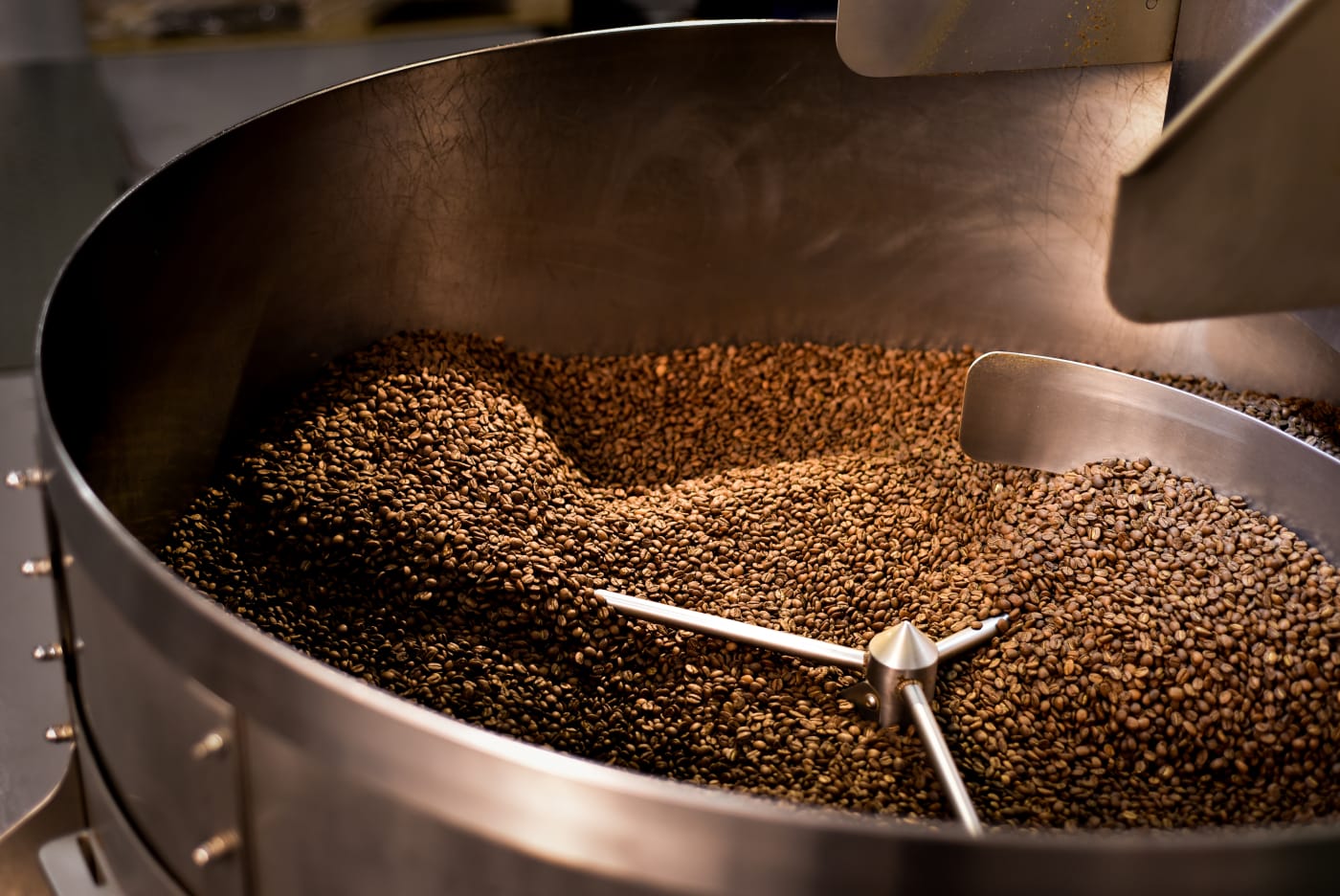
When green (unroasted) coffee beans are roasted, the heat transforms their cellular structure, unlocking thousands of aromatic compounds and producing CO2 inside the bean. The moment the roast is finished, a clock starts.
The peak window
Fresh coffee beans are at their best within 28 days after roasting. During this window, the aromatic oils are stable and expressive – ready to deliver the complex, vivid cup the grower’s expert work has made possible.
The flavours and the brightness are there – the character that distinguishes a well-sourced speciality bean from a generic supermarket blend is unmistakable.
What oxidation does
Once coffee is exposed to oxygen, the delicate oils that carry its flavour begin to break down. The zesty citrus, the dark chocolate, the stone fruit or caramel, whatever makes a particular coffee interesting, gradually fades.
The cup becomes flat, then woody, then largely indistinguishable from any other coffee. This process is called oxidation, and it’s the reason that a clear roast date on the bag matters so much more than any other freshness claim.
A note on shiny beans
There’s a common assumption that dark, oily, visibly shiny beans are a sign of freshness or quality. In practice, the opposite is closer to the truth.
Surface oil usually means one of two things: the coffee has been roasted so dark that the structure of the bean has broken down, pushing its oils to the surface, or the beans have been sitting around long enough that those oils have migrated outward over time.
Genuinely fresh, well-roasted speciality beans have a clean, matte appearance. The oils are inside the bean, where they belong.