How coffee beans are made: from cherry to roast How coffee beans are made: from cherry to roast Did you know
Did you know

How coffee beans are made: from cherry to roast

Will Sowerby

Written by Will Sowerby / Views

Published - 30 September 2026

The phrase ‘how to make coffee beans’ is a bit misleading. You can’t make a coffee bean the way you’d bake a loaf or brew a cup – it’s the seed of a fruit, grown on a tree and shaped by a long journey before it reaches a roaster.

If you’ve landed here to brew a better cup at home, our brew guides are a better place to start.

But if you want to understand what actually happens to a coffee bean before it reaches your grinder, this is the full story – from cherry to roast.

Key takeaways

  • Coffee ‘beans’ aren’t beans at all – they’re the seeds inside a fruit called the coffee cherry.
  • Processing is how those seeds are separated from the fruit and dried, and the method chosen shapes much of the final flavour.
  • Fermentation happens during processing, and it’s where a lot of a coffee’s sweetness and character develop.
  • Drying and milling leave you with green coffee – the raw, unroasted seed that gets shipped to roasters.
  • Roasting is the final step, and it can either reveal the flavours built at origin or bury them under smoke and char.

Can you actually ‘make’ a coffee bean?

Not in the way the phrase suggests. A coffee bean is a seed, not something assembled in a factory.

It grows inside the fruit of a coffee tree, so the closest thing to ‘making’ one is growing and preparing it for roasting.

People who search for this usually want one of two things. Some are after the production journey – how a cherry becomes the roasted bean in a bag.

Others want to roast green coffee, which is really just the final stage of that journey.

Where do coffee beans come from?

Coffee grows on trees in the genus Coffea, mostly in a band of countries near the equator known as the ‘Bean Belt’.

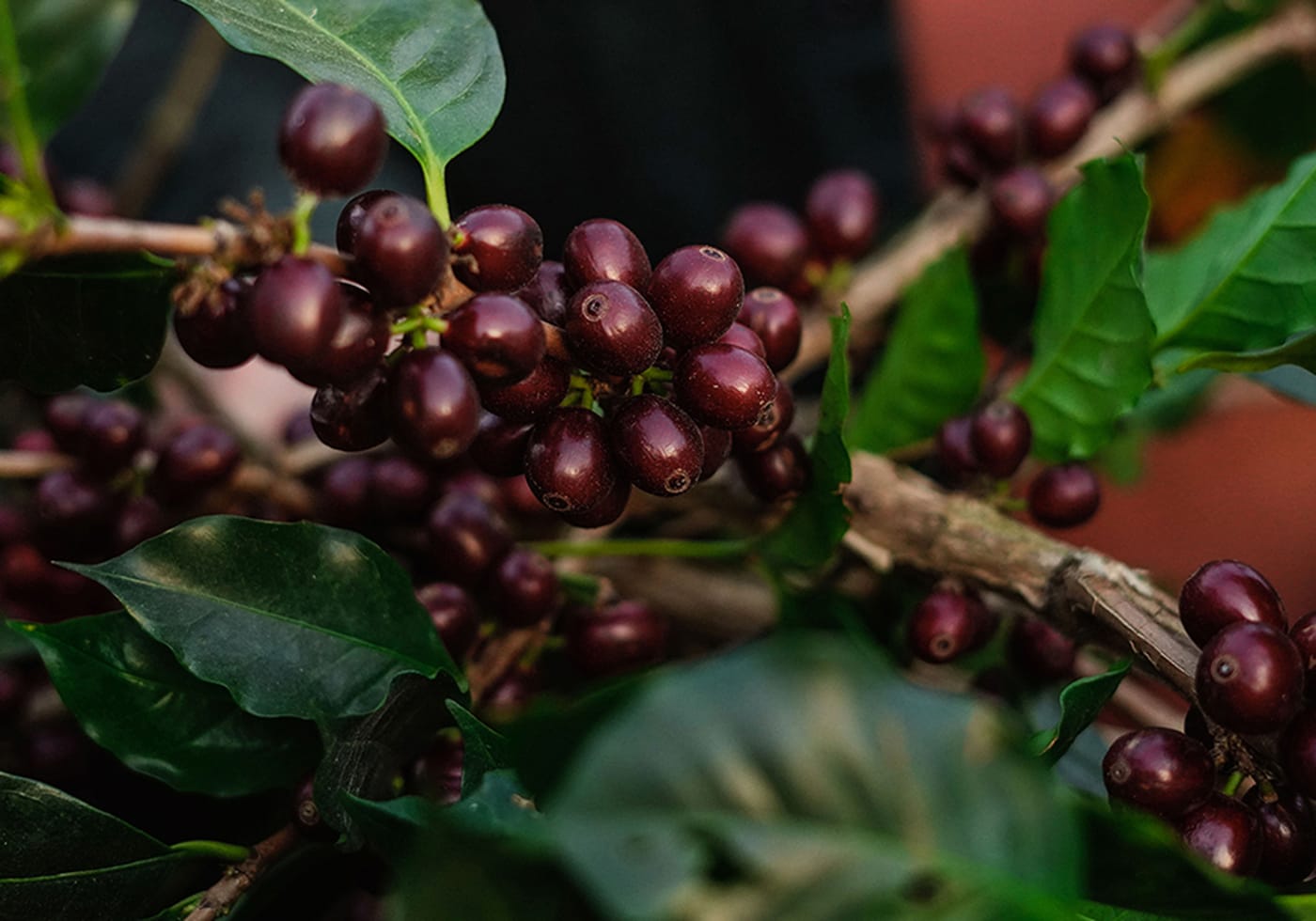
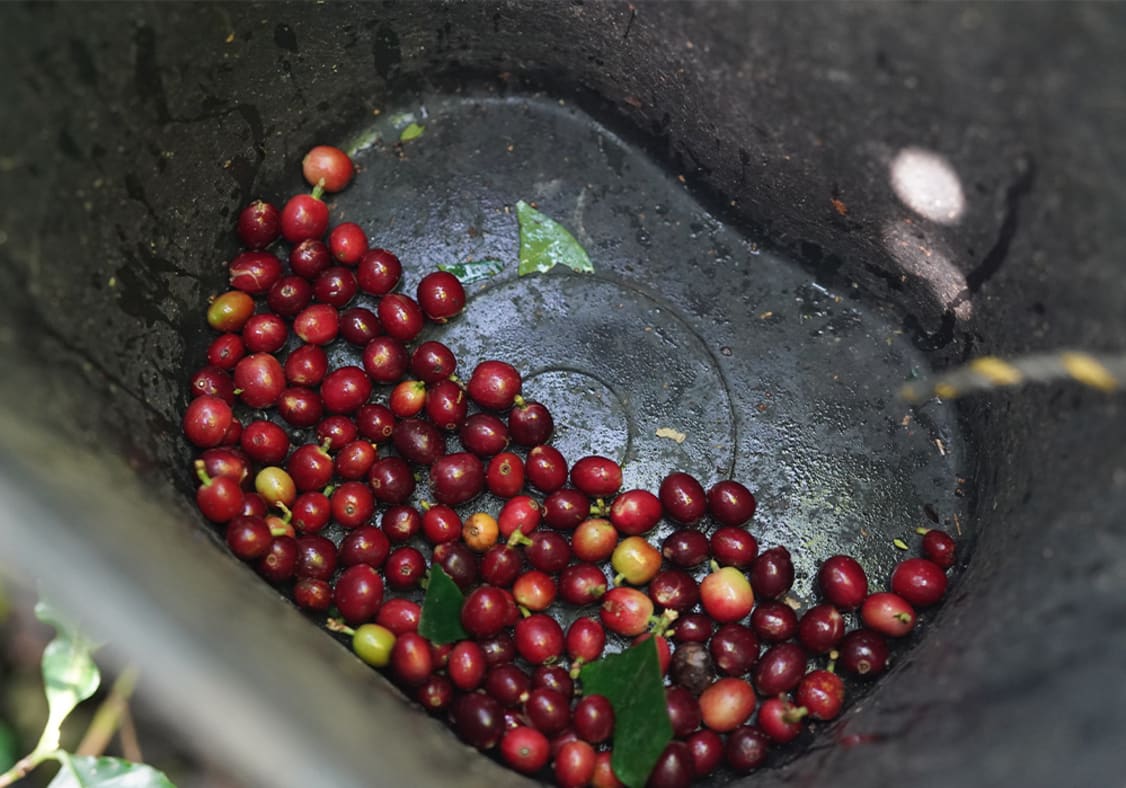
The tree produces small fruits, known as coffee cherries, which ripen from green to deep red or yellow. Inside each cherry sit the seeds we call coffee beans – usually two, sitting flat side to flat side.

Altitude, soil, climate, and the care taken by the growers we work with all feed into a coffee’s character long before it’s roasted.

That’s the idea behind single-origin coffee, where beans are traced to one place rather than blended, and micro-lots, where a single plot is kept separate to showcase something distinctive.

But for now, just remember one thing: the flavour journey starts on the tree.

Coffee being naturally processed

How are coffee beans processed?

Once the cherries are picked, the seeds have to be removed from the fruit and dried.

This step is called processing, and it’s one of the biggest influences on how a coffee tastes.

The methods differ in how much of the fruit stays in contact with the seed, and for how long.

Washed process

This removes the skin and most of the fruit pulp before the beans are dried.

Because there’s less fruit clinging to the seed, washed coffees tend to taste cleaner and brighter, with the origin’s natural acidity coming through.

Natural (or dry) process

This is the oldest method. The whole cherry is dried intact, so the seed sits inside the sugary fruit for weeks as it dries.

Natural coffees usually taste fruitier and sweeter, with more body and sometimes a jammy or winey quality.

Honey process

This sits between the two.

The skin is removed but some of the sticky fruit layer, called mucilage, is left on the seed to dry.

The amount left on changes the result, creating a coffee that’s sweeter and rounder than a washed one, but cleaner than a natural.

Anaerobic process

This is a newer, more experimental route.

The cherries (or seeds) ferment in sealed tanks without oxygen, which lets producers control the fermentation tightly and coax out unusual, often intense flavours.

These lots can taste boldly fruity or ‘funky’ in ways the older methods don’t produce.

Ripe coffee cherries

What is coffee fermentation, and what does it do to flavour?

Fermentation is the engine behind a lot of what you taste in speciality coffee.

During processing, natural microbes – yeasts and bacteria – break down the sugars in the fruit and mucilage around the seed. As they work, they produce acids and aromatic compounds that seep into the bean and shape its flavour.

Done carefully, fermentation builds sweetness and lively acidity. It’s part of why a well-processed natural coffee can taste of ripe berries, or why an anaerobic lot might carry notes of tropical fruit.

Producers control it by adjusting temperature and time, and small changes can noticeably shift the cup.

Left unchecked, though, fermentation can tip over into sharp, vinegary flavours that most people don’t enjoy.

So it isn’t about fermenting as much as possible – it’s about fermenting with precision. When you taste a bright, characterful coffee, there’s a good chance skilled fermentation is part of the reason.

How are coffee beans dried and milled?

After processing and fermentation, the beans still hold some moisture. They’re dried slowly – on raised beds or in mechanical dryers – down to around 10 to 12% moisture, which keeps them stable without dulling their flavour.

Rushing this step or overdoing it can undo a lot of the good work done earlier.

Once dried, the beans rest and are then milled, which removes the last protective layers before they’re sorted and graded by size and quality.

What comes out is green coffee – the raw, unroasted seed, still pale and grassy-smelling, ready to ship to roasters.

How are coffee beans roasted?

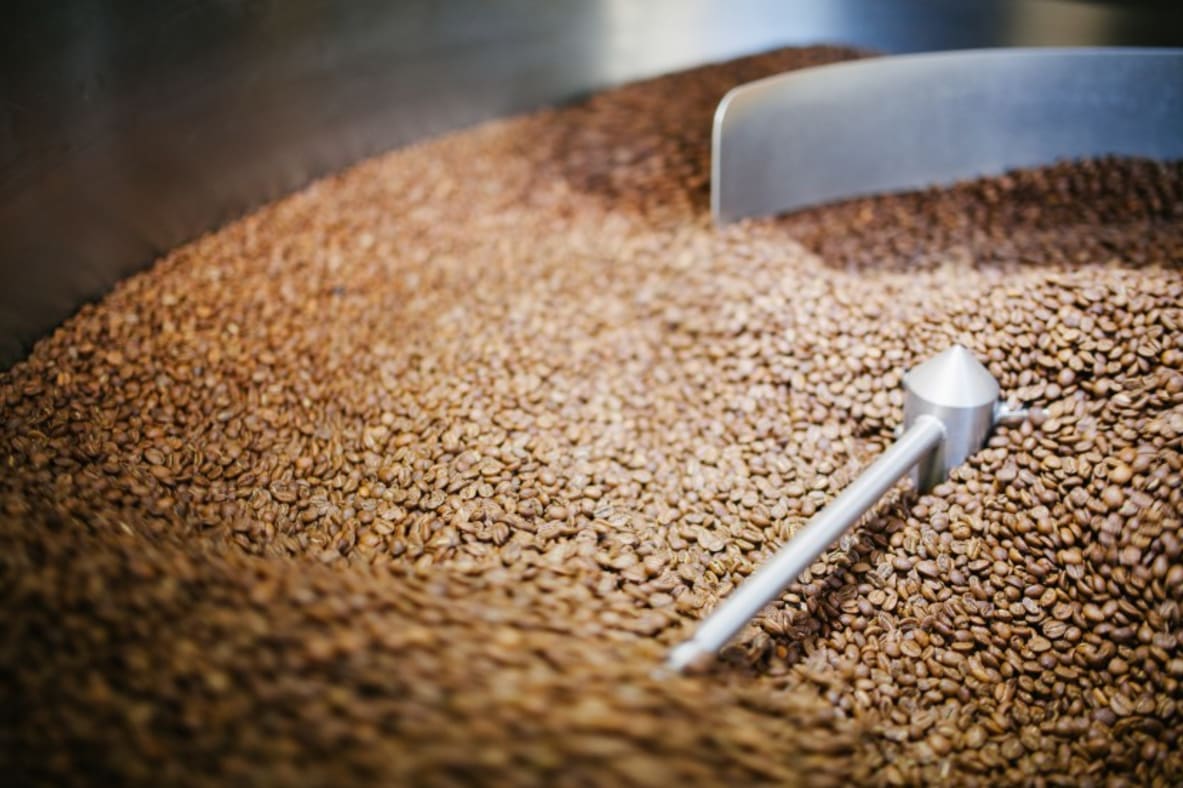
Roasting is where green coffee becomes the fragrant brown bean you recognise. Applying heat sets off chemical reactions inside the seed – browning reactions and the caramelising of natural sugars – that create hundreds of compounds, accentuating natural flavours.

Somewhere along the way the beans hit ‘first crack’, an audible pop as they expand and lose moisture – the point where they’ve become drinkable coffee.

How far a roaster takes things changes everything about the taste. Stop earlier and you get a lighter roast that keeps more of the bean’s origin character and its subtler notes.

Push further and the roast itself starts to dominate, bringing deeper, more bitter, smokier flavours while masking what made the bean distinctive in the first place.

Neither is wrong, but they pull the cup in very different directions.

Coffee beans roasting

How do processing and roasting shape the taste?

Here’s the through-line. Almost all of a coffee’s flavour potential is built at origin – shaped above all by how ripe the cherries were and how they were processed and fermented.

By the time green coffee reaches a roaster, that potential is locked in – roasting can’t add flavour that was never there, only reveal it or cover it up.

That’s the thinking behind how we roast at Pact. When the growers’ work and a careful processing method have built real character into a bean, a heavier roast would only disguise it.

So we roast lighter than many other roasters, to let those flavours come through, rather than trade them for the taste of the roast.

Taste coffee from the world’s best growers – get 25% off your first two orders.

FAQs

Are coffee beans actually beans?

No. They’re the seeds of the coffee cherry, a fruit that grows on the coffee tree.

They’re called beans because of their shape, but botanically they’ve got nothing to do with beans like kidney or black beans.

What’s the difference between washed and natural coffee?

Washed coffee has the fruit removed before drying, which tends to give a cleaner, brighter cup.

Natural coffee is dried with the whole fruit still on the seed, which usually makes it fruitier and heavier. Same bean, very different results.

Does fermentation make coffee taste sour?

It can if it’s poorly controlled, but that’s not its purpose. Well-managed fermentation builds sweetness and pleasant acidity rather than sourness.

The sharp, vinegary flavours some people worry about come from fermentation that’s gone too far, not from fermentation itself.

Why does roast level change the flavour so much?

Because heat both creates and destroys flavour compounds. A lighter roast preserves more of the bean’s origin character and acidity, while a darker roast develops deeper, more bitter, smokier notes that increasingly mask the original flavours.

The longer the roast, the more the roast itself defines the taste.

Can you make coffee beans at home?

Not from scratch – you can’t grow and process a bean in your kitchen. But you can roast green coffee, which is the final stage of the journey.

Buy green beans, apply heat carefully, and you’ll turn a raw seed into something you can grind and brew. The growing and processing all still have to happen at origin first.

How coffee beans are made: from cherry to roast

Will Sowerby

Written by Will Sowerby

Views

Published - 30 September 2026

The phrase ‘how to make coffee beans’ is a bit misleading. You can’t make a coffee bean the way you’d bake a loaf or brew a cup – it’s the seed of a fruit, grown on a tree and shaped by a long journey before it reaches a roaster.

If you’ve landed here to brew a better cup at home, our brew guides are a better place to start.

But if you want to understand what actually happens to a coffee bean before it reaches your grinder, this is the full story – from cherry to roast.

Key takeaways

  • Coffee ‘beans’ aren’t beans at all – they’re the seeds inside a fruit called the coffee cherry.
  • Processing is how those seeds are separated from the fruit and dried, and the method chosen shapes much of the final flavour.
  • Fermentation happens during processing, and it’s where a lot of a coffee’s sweetness and character develop.
  • Drying and milling leave you with green coffee – the raw, unroasted seed that gets shipped to roasters.
  • Roasting is the final step, and it can either reveal the flavours built at origin or bury them under smoke and char.

Can you actually ‘make’ a coffee bean?

Not in the way the phrase suggests. A coffee bean is a seed, not something assembled in a factory.

It grows inside the fruit of a coffee tree, so the closest thing to ‘making’ one is growing and preparing it for roasting.

People who search for this usually want one of two things. Some are after the production journey – how a cherry becomes the roasted bean in a bag.

Others want to roast green coffee, which is really just the final stage of that journey.

Where do coffee beans come from?

Coffee grows on trees in the genus Coffea, mostly in a band of countries near the equator known as the ‘Bean Belt’.

The tree produces small fruits, known as coffee cherries, which ripen from green to deep red or yellow. Inside each cherry sit the seeds we call coffee beans – usually two, sitting flat side to flat side.

Altitude, soil, climate, and the care taken by the growers we work with all feed into a coffee’s character long before it’s roasted.

That’s the idea behind single-origin coffee, where beans are traced to one place rather than blended, and micro-lots, where a single plot is kept separate to showcase something distinctive.

But for now, just remember one thing: the flavour journey starts on the tree.

Coffee being naturally processed

How are coffee beans processed?

Once the cherries are picked, the seeds have to be removed from the fruit and dried.

This step is called processing, and it’s one of the biggest influences on how a coffee tastes.

The methods differ in how much of the fruit stays in contact with the seed, and for how long.

Washed process

This removes the skin and most of the fruit pulp before the beans are dried.

Because there’s less fruit clinging to the seed, washed coffees tend to taste cleaner and brighter, with the origin’s natural acidity coming through.

Natural (or dry) process

This is the oldest method. The whole cherry is dried intact, so the seed sits inside the sugary fruit for weeks as it dries.

Natural coffees usually taste fruitier and sweeter, with more body and sometimes a jammy or winey quality.

Honey process

This sits between the two.

The skin is removed but some of the sticky fruit layer, called mucilage, is left on the seed to dry.

The amount left on changes the result, creating a coffee that’s sweeter and rounder than a washed one, but cleaner than a natural.

Anaerobic process

This is a newer, more experimental route.

The cherries (or seeds) ferment in sealed tanks without oxygen, which lets producers control the fermentation tightly and coax out unusual, often intense flavours.

These lots can taste boldly fruity or ‘funky’ in ways the older methods don’t produce.

Ripe coffee cherries

What is coffee fermentation, and what does it do to flavour?

Fermentation is the engine behind a lot of what you taste in speciality coffee.

During processing, natural microbes – yeasts and bacteria – break down the sugars in the fruit and mucilage around the seed. As they work, they produce acids and aromatic compounds that seep into the bean and shape its flavour.

Done carefully, fermentation builds sweetness and lively acidity. It’s part of why a well-processed natural coffee can taste of ripe berries, or why an anaerobic lot might carry notes of tropical fruit.

Producers control it by adjusting temperature and time, and small changes can noticeably shift the cup.

Left unchecked, though, fermentation can tip over into sharp, vinegary flavours that most people don’t enjoy.

So it isn’t about fermenting as much as possible – it’s about fermenting with precision. When you taste a bright, characterful coffee, there’s a good chance skilled fermentation is part of the reason.

How are coffee beans dried and milled?

After processing and fermentation, the beans still hold some moisture. They’re dried slowly – on raised beds or in mechanical dryers – down to around 10 to 12% moisture, which keeps them stable without dulling their flavour.

Rushing this step or overdoing it can undo a lot of the good work done earlier.

Once dried, the beans rest and are then milled, which removes the last protective layers before they’re sorted and graded by size and quality.

What comes out is green coffee – the raw, unroasted seed, still pale and grassy-smelling, ready to ship to roasters.

How are coffee beans roasted?

Roasting is where green coffee becomes the fragrant brown bean you recognise. Applying heat sets off chemical reactions inside the seed – browning reactions and the caramelising of natural sugars – that create hundreds of compounds, accentuating natural flavours.

Somewhere along the way the beans hit ‘first crack’, an audible pop as they expand and lose moisture – the point where they’ve become drinkable coffee.

How far a roaster takes things changes everything about the taste. Stop earlier and you get a lighter roast that keeps more of the bean’s origin character and its subtler notes.

Push further and the roast itself starts to dominate, bringing deeper, more bitter, smokier flavours while masking what made the bean distinctive in the first place.

Neither is wrong, but they pull the cup in very different directions.

Coffee beans roasting

How do processing and roasting shape the taste?

Here’s the through-line. Almost all of a coffee’s flavour potential is built at origin – shaped above all by how ripe the cherries were and how they were processed and fermented.

By the time green coffee reaches a roaster, that potential is locked in – roasting can’t add flavour that was never there, only reveal it or cover it up.

That’s the thinking behind how we roast at Pact. When the growers’ work and a careful processing method have built real character into a bean, a heavier roast would only disguise it.

So we roast lighter than many other roasters, to let those flavours come through, rather than trade them for the taste of the roast.

Taste coffee from the world’s best growers – get 25% off your first two orders.

FAQs

Are coffee beans actually beans?

No. They’re the seeds of the coffee cherry, a fruit that grows on the coffee tree.

They’re called beans because of their shape, but botanically they’ve got nothing to do with beans like kidney or black beans.

What’s the difference between washed and natural coffee?

Washed coffee has the fruit removed before drying, which tends to give a cleaner, brighter cup.

Natural coffee is dried with the whole fruit still on the seed, which usually makes it fruitier and heavier. Same bean, very different results.

Does fermentation make coffee taste sour?

It can if it’s poorly controlled, but that’s not its purpose. Well-managed fermentation builds sweetness and pleasant acidity rather than sourness.

The sharp, vinegary flavours some people worry about come from fermentation that’s gone too far, not from fermentation itself.

Why does roast level change the flavour so much?

Because heat both creates and destroys flavour compounds. A lighter roast preserves more of the bean’s origin character and acidity, while a darker roast develops deeper, more bitter, smokier notes that increasingly mask the original flavours.

The longer the roast, the more the roast itself defines the taste.

Can you make coffee beans at home?

Not from scratch – you can’t grow and process a bean in your kitchen. But you can roast green coffee, which is the final stage of the journey.

Buy green beans, apply heat carefully, and you’ll turn a raw seed into something you can grind and brew. The growing and processing all still have to happen at origin first.