FAQs
What is filter coffee?
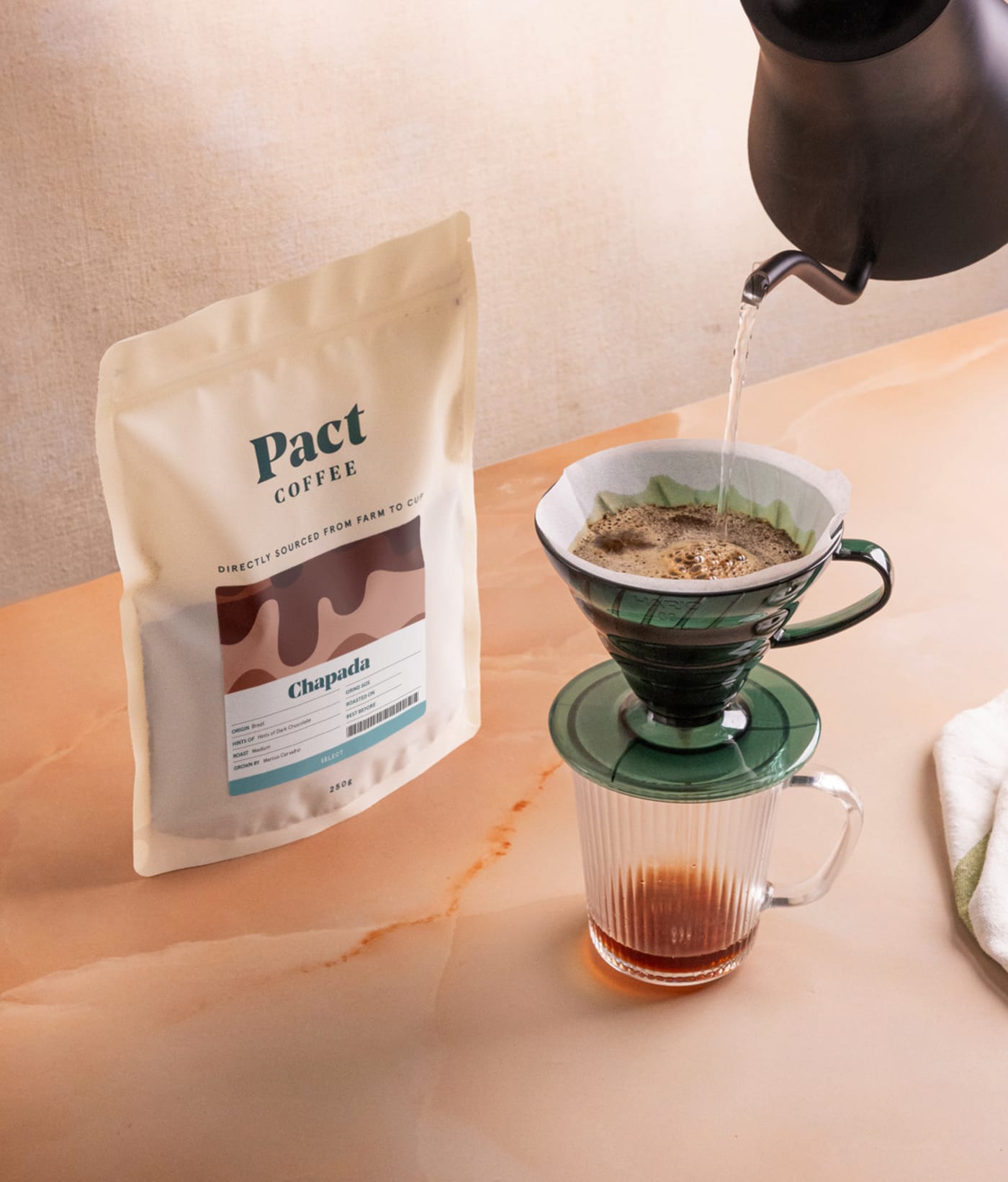
Filter coffee is a brewing method in which hot water passes through ground coffee and a filter medium (paper, metal, or cloth) with gravity, producing a clean, sediment-free cup.
The filter removes the heavier oils and fine particles that an unfiltered method, like a cafetière, leaves in, resulting in a cup with greater clarity and a cleaner finish.
It’s the preferred method for tasting single-origin speciality coffees because it lets the character of the bean come through without interference.
How do I make the best filter coffee at home?
Start with fresh speciality-grade coffee – whole beans if possible, ground just before brewing to a medium consistency.
Use 15g of coffee per 250ml of water, heated to between 92°C and 96°C. Rinse the paper filter before use, allow 30 to 45 seconds for the bloom phase, and pour slowly and steadily in concentric circles.
The full brew should take around three minutes. Consistency in ratio and temperature makes the biggest difference between a good cup and a great one.
What grind size should I use for filter coffee?
A medium grind (roughly the texture of sand) is the reliable starting point for most filter brewing methods, including V60, Chemex, and automatic drip machines.
Too fine and the filter clogs, producing a bitter, over-extracted cup. Too coarse and the water passes through too quickly, leaving the brew weak and flat.
What is the difference between filter coffee and espresso?
Filter coffee uses gravity and a relatively low water-to-coffee ratio over a longer brew time, producing a clean, lighter-bodied cup with high flavour clarity.
Espresso uses high pressure to force a small amount of hot water through very finely ground coffee in around 30 seconds, producing a concentrated, full-bodied shot with a layer of crema.
Filter coffee is generally better suited to showcasing the delicate and complex notes of single-origin speciality beans. Espresso tends to highlight richness, body, and intensity.
Can I use espresso beans for filter coffee?
Yes, though the results will depend on the roast profile. Espresso roasts tend toward medium-dark or dark, which produces a heavier, more intense cup when brewed as filter.
If you prefer a brighter, more complex filter coffee, a light or medium roast is the better choice – the lower roast level preserves the acidity and the origin character that filter brewing is particularly good at showcasing.
What makes speciality coffee better for filter brewing?
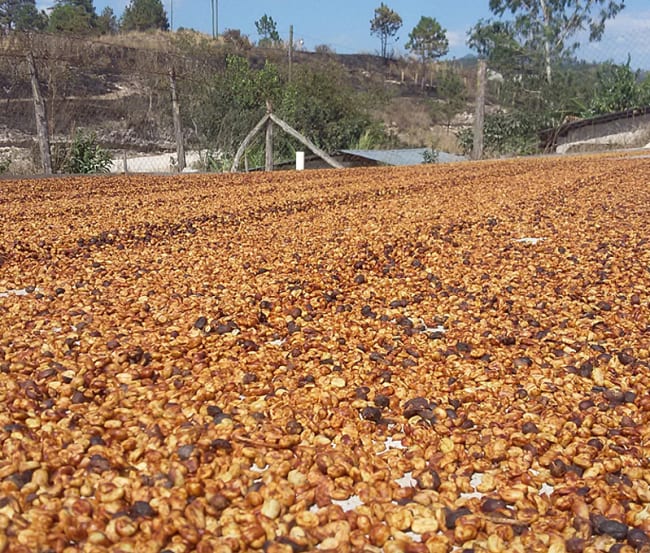
Speciality coffee, scored at 80 points or above by certified tasters, is grown in specific conditions (high altitude, careful processing, attentive harvesting) that produce natural complexity and sweetness in the bean.
Filter brewing, with its clarity and clean finish, is an ideal method for expressing those qualities. Commodity coffee, roasted dark to mask inconsistency, tends to taste flat or bitter when brewed with a filter.
Pact’s Colombia Single Origin, grown by the Mirtayu Women’s Group in Huila, is pre-ground for filter brewing and available now in the coffee aisle at Waitrose and on waitrose.com.