Why Pact isn’t part of the Rainforest Alliance
The Rainforest Alliance focuses on environmental standards, protecting biodiversity and promoting sustainable land use.
While these are vital for the planet, the model doesn’t guarantee a price for growers, who have been regularly paid less than the cost of production throughout recent history. For us at Pact, ethical coffee must address grower income as much as sustainability.
How Pact’s direct trade works
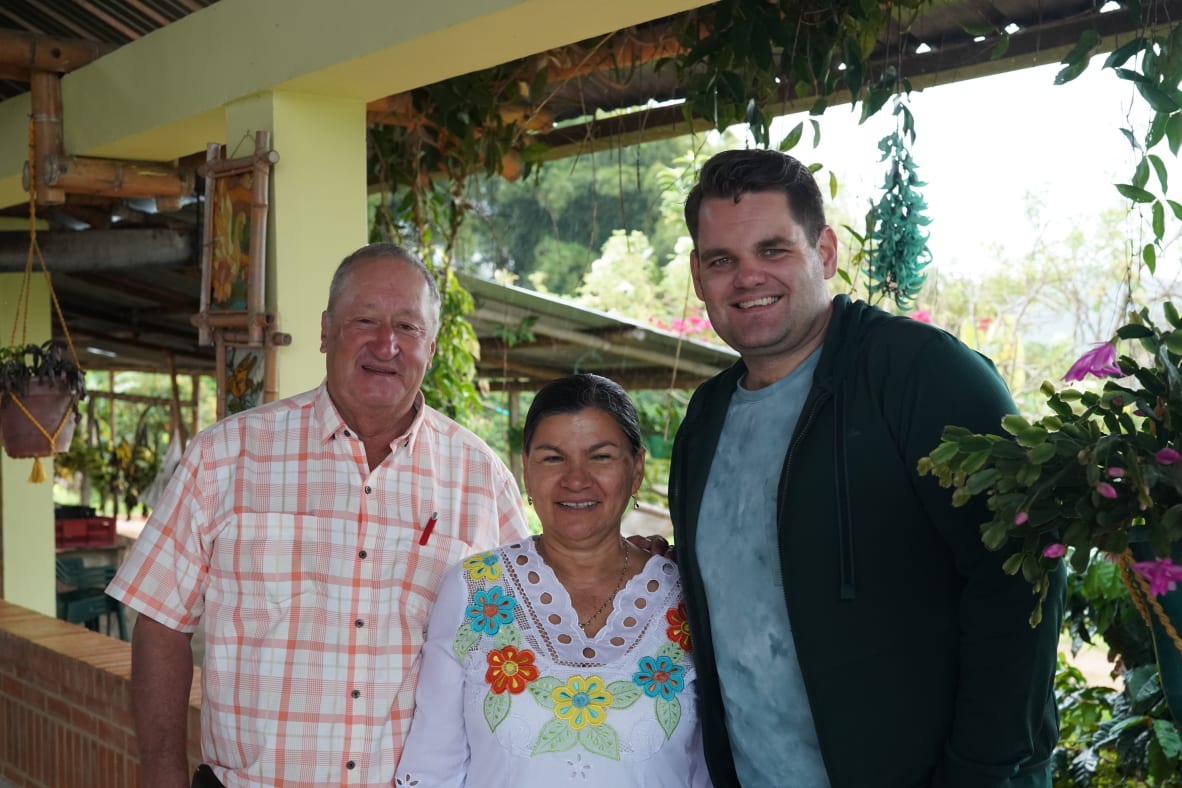
Our version of ethical coffee sourcing is built on a transparent ‘pact’ between us and the growers.
Cut out the middlemen
In the coffee industry’s traditional supply chain, coffee passes through exporters, importers, commodity traders, packaging suppliers, and more. Each takes a cut. By the time the money reaches the grower, there’s often very little left.
The commodity market is also highly volatile. For example, the price of Arabica coffee rose 80% between November 2024 and February 2025. In early 2026, it then dropped by 25%, making grower income uncertain and leaving many to make a loss on a year’s crop.
That’s why we work directly with the farm – by removing unnecessary links, we ensure more money goes exactly where it belongs: into the grower’s bank account.
Paying the Fairtrade price as a minimum
When Fairtrade raised its minimum price to $1.80 per lb of Arabica coffee, we raised our minimum payment to $2 per lb for every grower.
This $2.00 minimum covers the Fairtrade base price while also incorporating an additional amount to recognize what would be the Fairtrade Premium (money intended for community projects). In many cases, we pay growers significantly more than this.
By paying this directly to the grower, we ensure they have the autonomy to invest in their own business and family as they see fit.
Long-term, mutually beneficial partnerships
Certification models can be transactional. Our system relies on forming long-term relationships, and we’ve worked with many growers for years. This stability allows them to plan for the future, whether that’s building better drying beds or providing healthcare for their workers.