How to find the best decaf coffee UK How to find the best decaf coffee UK How tos
How tos

How to find the best decaf coffee UK

Will Sowerby

Written by Will Sowerby / Views

Published - 25 June 2026

Key takeaways

  • Most decaf coffee is made from low-quality, stale beans – the decaffeination process gets the blame for bad flavour, but the real culprit is usually the coffee itself.
  • Freshness matters just as much with decaf as it does with regular coffee.
  • Speciality-grade beans make a real difference.
  • The CO2 decaffeination process removes caffeine without touching the flavour compounds that make great coffee taste great.
  • You can buy Pact decaf online, in Waitrose, and on Ocado.

Decaf has a slight reputation problem. Ask most people about it and they’ll tell you it tastes flat, bitter, or somehow hollow – like a copy of a copy. But that reputation isn’t really about decaffeination. It’s about the coffee underneath it.

Once you understand what’s actually going on, finding the best decaf coffee in the UK becomes a lot easier. You’re not hunting for a miracle process or a clever workaround. You’re just looking for great coffee – freshly roasted, speciality-grade, and decaffeinated the right way.

Let’s break it down.

The real reason most decaf tastes bad

The decaffeination process takes most of the blame for bad decaf. But it’s rarely the main culprit.

Here’s what actually tends to happen. The vast majority of decaf on supermarket shelves is made from low-grade, commodity coffee. 

Decaffeinating them gives them a second chance on the shelf. The logic makes commercial sense: the decaffeination process itself adds cost, so it’s rarely done to the good stuff.

So when you buy a supermarket own-brand decaf and it tastes dull or oddly bitter, it’s not because decaf is inherently inferior. It’s because they’re starting with inferior beans.

There’s also the question of age. Coffee stales quickly after roasting – usually within a few weeks if it’s not stored carefully. Supermarket coffee, whether caffeinated or not, can sit in a warehouse, on a lorry, and on a shelf for months before it reaches you. By that point, even a well-processed bean has lost most of what made it interesting.

Decaf is actually more susceptible to this than regular coffee, because the decaffeination process opens up the bean’s cell structure slightly, making it a little more porous and quicker to stale. So freshness is key.

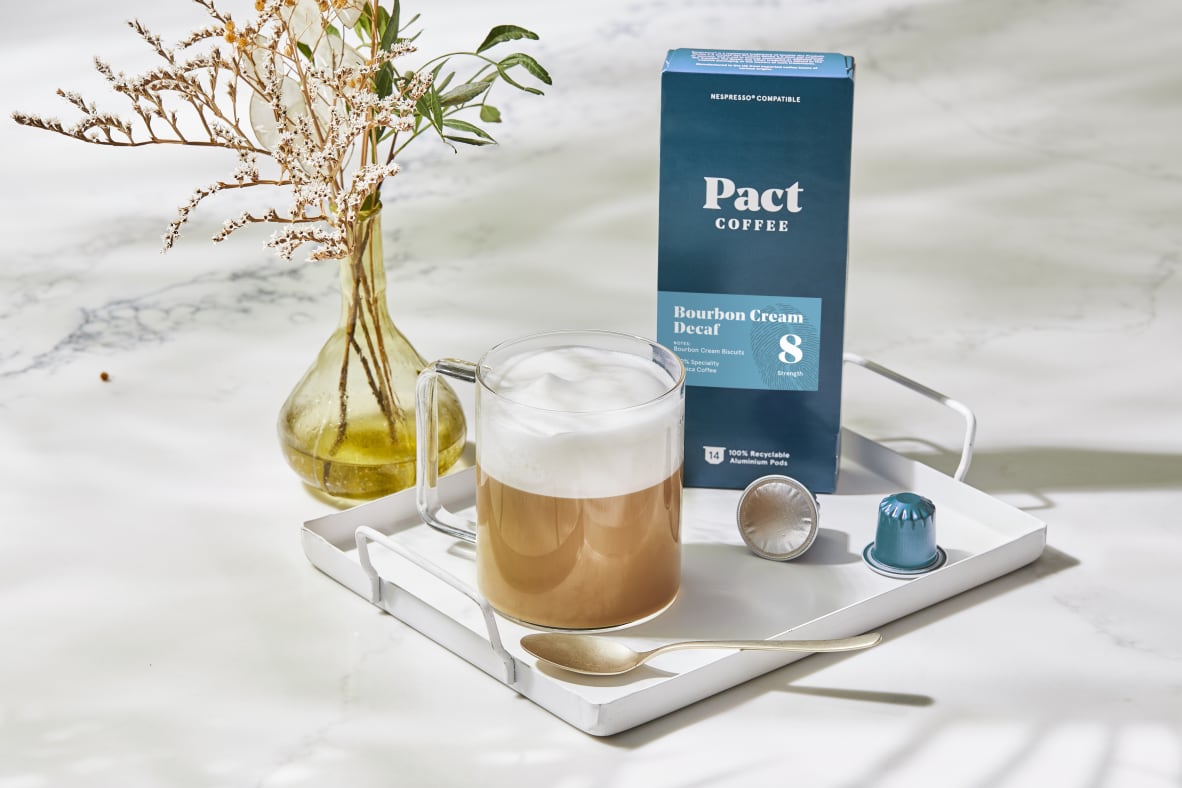
Bourbon Cream Decaf pods, available in Ocado

What fresh coffee means

There’s a reason speciality roasters obsess over roast dates. In the days and weeks after roasting, coffee is at its most alive – the aromatic compounds that give it complexity, sweetness, and depth are fully intact. Leave it long enough and those compounds degrade. What you’re left with is flat, one-dimensional, and often a bit harsh.

This is why roasting to order makes a huge difference. When you buy from a roaster who’s roasting your coffee just before you receive it, you’re getting something genuinely different from what you’d find sitting in a foil bag under fluorescent lighting.

One thing that helps lock that freshness in is nitrogen flushing. Before sealing, the bag is flooded with nitrogen gas, which pushes out the oxygen that would otherwise start breaking down the coffee’s aromatic compounds. 

It’s the same principle behind vacuum-packed food – remove the oxygen, slow the staling. The one-way valve you’ll see on quality coffee bags lets carbon dioxide (released naturally by freshly roasted beans) escape without letting oxygen back in. 

Together, these two things mean the coffee you open at home is as close as possible to the coffee that came off the roaster.

With decaf specifically, starting with a freshly roasted bean closes the gap significantly between decaf and regular coffee. The difference in flavour – body, sweetness, mouthfeel – is night and day compared to something that’s been sitting around for months.

If you’ve written off decaf in the past, there’s a real chance you’ve simply never had it fresh. It’s worth trying again.

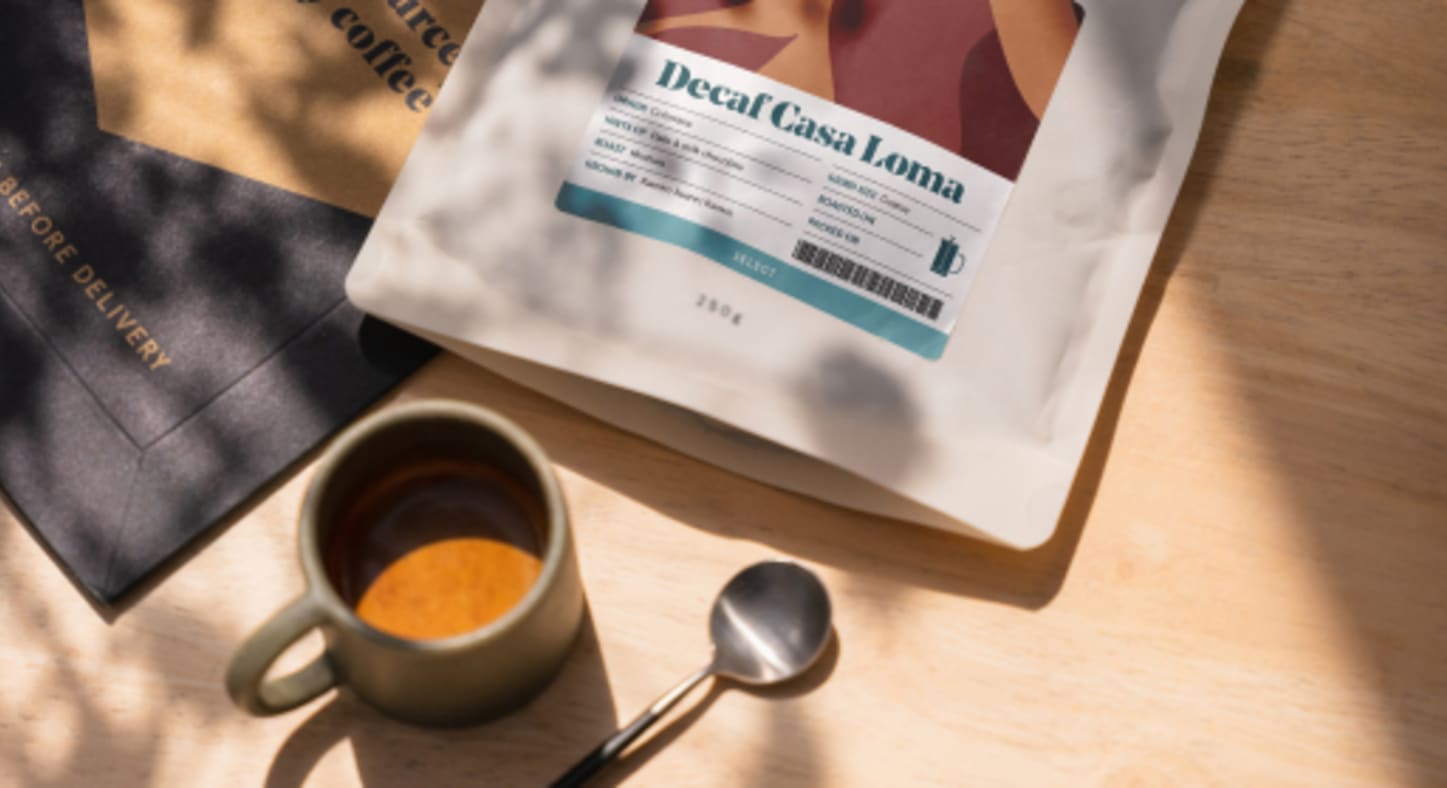
Decaf Casa Loma, grown by Ramiro Suarez & José Napoleón Ramos

Why speciality coffee makes such a difference

Not all coffee is created equal – and the grade matters enormously when it comes to decaf.

Speciality coffee is a defined standard. Beans are scored by trained tasters on a 100-point scale, and speciality grade means scoring 80 or above. To get there, it takes an exceptional grower with meticulous attention to detail through harvesting and processing. This directly shapes what ends up in your cup.

When you decaffeinate a speciality bean, you have something worth preserving. The flavour is layered, interesting, and genuinely enjoyable. When you decaffeinate a low-grade bean, you’re stripping caffeine from something that wasn’t much to begin with.

Think of it a bit like cooking with the right ingredients.

The CO2 process: why it matters

There are a few different ways to remove caffeine from coffee beans. Some use chemical solvents. Some use a Swiss water process. The one we use at Pact – and the one that makes the most sense if you care about flavour – is the CO2 method.

Here’s how it works. Green (unroasted) coffee beans are soaked in water and then placed in a pressurised vessel. Liquid CO2 is pumped in. At the right pressure and temperature, CO2 acts as a solvent – but a highly selective one. It bonds with caffeine molecules and carries them away, leaving behind the flavour compounds, the oils, and everything else that makes coffee taste the way it does.

The CO2 is then depressurised, the caffeine separates out, and the CO2 is recycled back into the process. No chemicals. No residue. Nothing left behind in the bean except the flavour you started with.

It’s a more expensive process than chemical decaffeination, which is part of why you don’t see it everywhere. But it’s also significantly more gentle on the bean’s flavour profile. When we use it on our Bourbon Cream Espresso Blend – a coffee with a rich, indulgent, chocolatey character – the result is a decaf that tastes like the coffee it came from, not like a shadow of it.

The CO2 method is also entirely natural. CO2 is a substance the coffee plant produces itself during growing. There’s something fitting about using it to do the rest of the work.

Iced coffee made with Bourbon Cream Decaf pods

What to actually look for

So if you’re trying to find the best decaf coffee beans in the UK, or the best decaf ground coffee, here’s a practical checklist:

Roast date, not best-before date.

A best-before date tells you very little. A roast date tells you when the coffee was at its best. 

Speciality-grade coffee.

If the bag doesn’t mention where the coffee came from, it’s probably not speciality grade. Good coffee comes with a story because the story matters to the flavour.

The CO2 process.

It’s worth checking how the decaffeination was done. Not all processes are equal, and the CO2 method is the most flavour-preserving available.

Whole beans over ground, if you can.

Ground coffee stales faster than whole beans. If you have a grinder – even a basic one – buying wholebean decaf and grinding it fresh before brewing will make a noticeable difference.

Espresso or filter?

Great decaf is available in both. Espresso-roasted decaf will be more full-bodied and better suited to milk-based drinks. Filter-roasted decaf tends to be lighter and brighter, better for black coffee.

Try Pact decaf

Our Bourbon Cream Decaf is the same award-winning blend we’ve been roasting for years – a rich, chocolatey espresso with sweet, rounded flavour and a long finish. It’s made from speciality-grade beans and decaffeinated using the CO2 process so it reaches you at its freshest.

If you’ve had bad decaf before (and most people have!), we’d encourage you to try it. Not because we think all decaf is good, but because we think this one is.

You can buy it online at Pact Coffee, find it in Waitrose, or pick it up in pods on Ocado.

 “Decaf drinkers have historically been sold a large amount of stale, low-grade coffee given a false lease of life through the decaffeination process.

“Recently, we conducted new consumer research that found that not only have half of consumers bought decaffeinated coffee to drink at home in the last six months, but a further seven in 10 said they’d be more likely to drink decaffeinated coffee if there were more good quality options readily available. 

“Bringing a speciality-grade decaf to Waitrose shelves and giving its customers more caffeine-free options to choose from is a really exciting moment for us, and hopefully for consumers who have been waiting for a better tasting decaffeinated coffee to enjoy too.

“By definition, speciality coffee must score at least 80 points from 100 with professional tasters. This coffee scores 84, so consumers will be able to enjoy top-quality decaf.”

Pact Director of Coffee, Will Corby, who has 30 years of experience working in the coffee industry. 

FAQs

Is decaf coffee actually bad for you?

No – decaf coffee is safe for the vast majority of people and retains most of the antioxidants found in regular coffee. It’s a great option if you’re sensitive to caffeine, pregnant, or simply want to enjoy coffee later in the day without it affecting your sleep.

Does decaf coffee have any caffeine in it?

A small amount, yes. Decaffeination removes around 97-99% of caffeine, but it can’t remove every last trace. A typical cup of decaf contains roughly two to five milligrams of caffeine, compared to around 95 milligrams in a regular cup of coffee.

Why does decaf coffee taste different? 

Usually because it’s made from lower-quality beans and isn’t fresh. The decaffeination process itself – particularly the CO2 method – doesn’t significantly alter flavour. The difference you’re tasting is nearly always down to the quality and freshness of the coffee underneath.

What’s the best way to brew decaf coffee at home? 

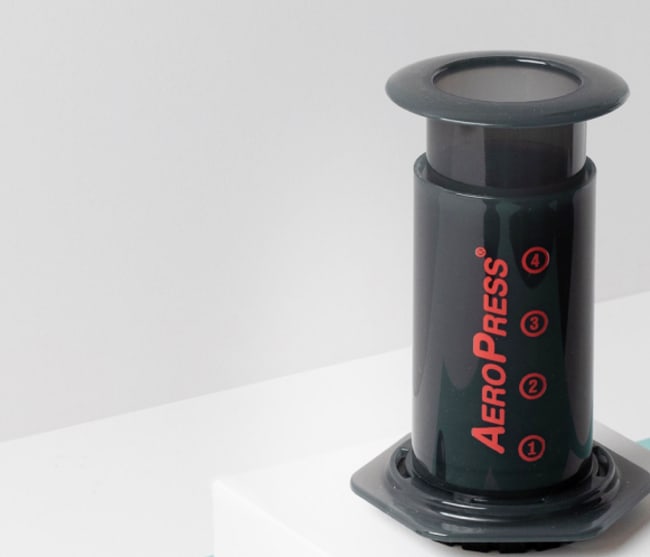
Exactly the same way you’d brew regular coffee. Decaf works well in a cafetière, an espresso machine, a moka pot, a V60, or an AeroPress. The brewing method should match the roast style – espresso roasts for espresso machines, filter roasts for slower methods.

Is speciality decaf worth the extra cost? 

If you drink coffee for the flavour – and most of us do – then yes. The gap between commodity decaf and speciality decaf is significant. You’ll notice it immediately, especially if you’ve been buying supermarket decaf for years.

Where can I buy the best decaf coffee in the UK? 

You can buy Pact’s Bourbon Cream Decaf online, in Waitrose, or on Ocado.

How to find the best decaf coffee UK

Will Sowerby

Written by Will Sowerby

Views

Published - 25 June 2026

Key takeaways

  • Most decaf coffee is made from low-quality, stale beans – the decaffeination process gets the blame for bad flavour, but the real culprit is usually the coffee itself.
  • Freshness matters just as much with decaf as it does with regular coffee.
  • Speciality-grade beans make a real difference.
  • The CO2 decaffeination process removes caffeine without touching the flavour compounds that make great coffee taste great.
  • You can buy Pact decaf online, in Waitrose, and on Ocado.

Decaf has a slight reputation problem. Ask most people about it and they’ll tell you it tastes flat, bitter, or somehow hollow – like a copy of a copy. But that reputation isn’t really about decaffeination. It’s about the coffee underneath it.

Once you understand what’s actually going on, finding the best decaf coffee in the UK becomes a lot easier. You’re not hunting for a miracle process or a clever workaround. You’re just looking for great coffee – freshly roasted, speciality-grade, and decaffeinated the right way.

Let’s break it down.

The real reason most decaf tastes bad

The decaffeination process takes most of the blame for bad decaf. But it’s rarely the main culprit.

Here’s what actually tends to happen. The vast majority of decaf on supermarket shelves is made from low-grade, commodity coffee. 

Decaffeinating them gives them a second chance on the shelf. The logic makes commercial sense: the decaffeination process itself adds cost, so it’s rarely done to the good stuff.

So when you buy a supermarket own-brand decaf and it tastes dull or oddly bitter, it’s not because decaf is inherently inferior. It’s because they’re starting with inferior beans.

There’s also the question of age. Coffee stales quickly after roasting – usually within a few weeks if it’s not stored carefully. Supermarket coffee, whether caffeinated or not, can sit in a warehouse, on a lorry, and on a shelf for months before it reaches you. By that point, even a well-processed bean has lost most of what made it interesting.

Decaf is actually more susceptible to this than regular coffee, because the decaffeination process opens up the bean’s cell structure slightly, making it a little more porous and quicker to stale. So freshness is key.

Bourbon Cream Decaf pods, available in Ocado

What fresh coffee means

There’s a reason speciality roasters obsess over roast dates. In the days and weeks after roasting, coffee is at its most alive – the aromatic compounds that give it complexity, sweetness, and depth are fully intact. Leave it long enough and those compounds degrade. What you’re left with is flat, one-dimensional, and often a bit harsh.

This is why roasting to order makes a huge difference. When you buy from a roaster who’s roasting your coffee just before you receive it, you’re getting something genuinely different from what you’d find sitting in a foil bag under fluorescent lighting.

One thing that helps lock that freshness in is nitrogen flushing. Before sealing, the bag is flooded with nitrogen gas, which pushes out the oxygen that would otherwise start breaking down the coffee’s aromatic compounds. 

It’s the same principle behind vacuum-packed food – remove the oxygen, slow the staling. The one-way valve you’ll see on quality coffee bags lets carbon dioxide (released naturally by freshly roasted beans) escape without letting oxygen back in. 

Together, these two things mean the coffee you open at home is as close as possible to the coffee that came off the roaster.

With decaf specifically, starting with a freshly roasted bean closes the gap significantly between decaf and regular coffee. The difference in flavour – body, sweetness, mouthfeel – is night and day compared to something that’s been sitting around for months.

If you’ve written off decaf in the past, there’s a real chance you’ve simply never had it fresh. It’s worth trying again.

Decaf Casa Loma, grown by Ramiro Suarez & José Napoleón Ramos

Why speciality coffee makes such a difference

Not all coffee is created equal – and the grade matters enormously when it comes to decaf.

Speciality coffee is a defined standard. Beans are scored by trained tasters on a 100-point scale, and speciality grade means scoring 80 or above. To get there, it takes an exceptional grower with meticulous attention to detail through harvesting and processing. This directly shapes what ends up in your cup.

When you decaffeinate a speciality bean, you have something worth preserving. The flavour is layered, interesting, and genuinely enjoyable. When you decaffeinate a low-grade bean, you’re stripping caffeine from something that wasn’t much to begin with.

Think of it a bit like cooking with the right ingredients.

The CO2 process: why it matters

There are a few different ways to remove caffeine from coffee beans. Some use chemical solvents. Some use a Swiss water process. The one we use at Pact – and the one that makes the most sense if you care about flavour – is the CO2 method.

Here’s how it works. Green (unroasted) coffee beans are soaked in water and then placed in a pressurised vessel. Liquid CO2 is pumped in. At the right pressure and temperature, CO2 acts as a solvent – but a highly selective one. It bonds with caffeine molecules and carries them away, leaving behind the flavour compounds, the oils, and everything else that makes coffee taste the way it does.

The CO2 is then depressurised, the caffeine separates out, and the CO2 is recycled back into the process. No chemicals. No residue. Nothing left behind in the bean except the flavour you started with.

It’s a more expensive process than chemical decaffeination, which is part of why you don’t see it everywhere. But it’s also significantly more gentle on the bean’s flavour profile. When we use it on our Bourbon Cream Espresso Blend – a coffee with a rich, indulgent, chocolatey character – the result is a decaf that tastes like the coffee it came from, not like a shadow of it.

The CO2 method is also entirely natural. CO2 is a substance the coffee plant produces itself during growing. There’s something fitting about using it to do the rest of the work.

Iced coffee made with Bourbon Cream Decaf pods

What to actually look for

So if you’re trying to find the best decaf coffee beans in the UK, or the best decaf ground coffee, here’s a practical checklist:

Roast date, not best-before date.

A best-before date tells you very little. A roast date tells you when the coffee was at its best. 

Speciality-grade coffee.

If the bag doesn’t mention where the coffee came from, it’s probably not speciality grade. Good coffee comes with a story because the story matters to the flavour.

The CO2 process.

It’s worth checking how the decaffeination was done. Not all processes are equal, and the CO2 method is the most flavour-preserving available.

Whole beans over ground, if you can.

Ground coffee stales faster than whole beans. If you have a grinder – even a basic one – buying wholebean decaf and grinding it fresh before brewing will make a noticeable difference.

Espresso or filter?

Great decaf is available in both. Espresso-roasted decaf will be more full-bodied and better suited to milk-based drinks. Filter-roasted decaf tends to be lighter and brighter, better for black coffee.

Try Pact decaf

Our Bourbon Cream Decaf is the same award-winning blend we’ve been roasting for years – a rich, chocolatey espresso with sweet, rounded flavour and a long finish. It’s made from speciality-grade beans and decaffeinated using the CO2 process so it reaches you at its freshest.

If you’ve had bad decaf before (and most people have!), we’d encourage you to try it. Not because we think all decaf is good, but because we think this one is.

You can buy it online at Pact Coffee, find it in Waitrose, or pick it up in pods on Ocado.

 “Decaf drinkers have historically been sold a large amount of stale, low-grade coffee given a false lease of life through the decaffeination process.

“Recently, we conducted new consumer research that found that not only have half of consumers bought decaffeinated coffee to drink at home in the last six months, but a further seven in 10 said they’d be more likely to drink decaffeinated coffee if there were more good quality options readily available. 

“Bringing a speciality-grade decaf to Waitrose shelves and giving its customers more caffeine-free options to choose from is a really exciting moment for us, and hopefully for consumers who have been waiting for a better tasting decaffeinated coffee to enjoy too.

“By definition, speciality coffee must score at least 80 points from 100 with professional tasters. This coffee scores 84, so consumers will be able to enjoy top-quality decaf.”

Pact Director of Coffee, Will Corby, who has 30 years of experience working in the coffee industry. 

FAQs

Is decaf coffee actually bad for you?

No – decaf coffee is safe for the vast majority of people and retains most of the antioxidants found in regular coffee. It’s a great option if you’re sensitive to caffeine, pregnant, or simply want to enjoy coffee later in the day without it affecting your sleep.

Does decaf coffee have any caffeine in it?

A small amount, yes. Decaffeination removes around 97-99% of caffeine, but it can’t remove every last trace. A typical cup of decaf contains roughly two to five milligrams of caffeine, compared to around 95 milligrams in a regular cup of coffee.

Why does decaf coffee taste different? 

Usually because it’s made from lower-quality beans and isn’t fresh. The decaffeination process itself – particularly the CO2 method – doesn’t significantly alter flavour. The difference you’re tasting is nearly always down to the quality and freshness of the coffee underneath.

What’s the best way to brew decaf coffee at home? 

Exactly the same way you’d brew regular coffee. Decaf works well in a cafetière, an espresso machine, a moka pot, a V60, or an AeroPress. The brewing method should match the roast style – espresso roasts for espresso machines, filter roasts for slower methods.

Is speciality decaf worth the extra cost? 

If you drink coffee for the flavour – and most of us do – then yes. The gap between commodity decaf and speciality decaf is significant. You’ll notice it immediately, especially if you’ve been buying supermarket decaf for years.

Where can I buy the best decaf coffee in the UK? 

You can buy Pact’s Bourbon Cream Decaf online, in Waitrose, or on Ocado.