What are the best coffee beans in 2026? What are the best coffee beans in 2026? Coffee break reading
Coffee break reading

What are the best coffee beans in 2026?

Will

Written by Will / Views

Published - 06 March 2026

Key takeaways

  • The secret to a great filter cup is starting with speciality-grade beans. It then depends on whether you prefer a light, medium, or dark roast. 

  • The best coffee beans for a flat white, latte, or cappuccino are Brazilian/Colombian blends, like our Bourbon Cream Espresso, or South American/African blends, like Fruit & Nut Espresso.

  • Light roast espresso beans can come as a delightful surprise, bringing bright, fruity hints to a concentrated body.

In 2026, coffee drinkers have moved past the days of just picking up any bag (or jar!). Now, it’s all about finding beans with a real story behind them.

For us at Pact, finding ‘the best’ coffee beans really comes down to three things: the brilliance of the grower, your preferred brewing method, and your personal taste in roast and profile. 

In this guide, we’ll show you which origins are the stars of competitions and home set-ups right now, and why they’re worth your time.

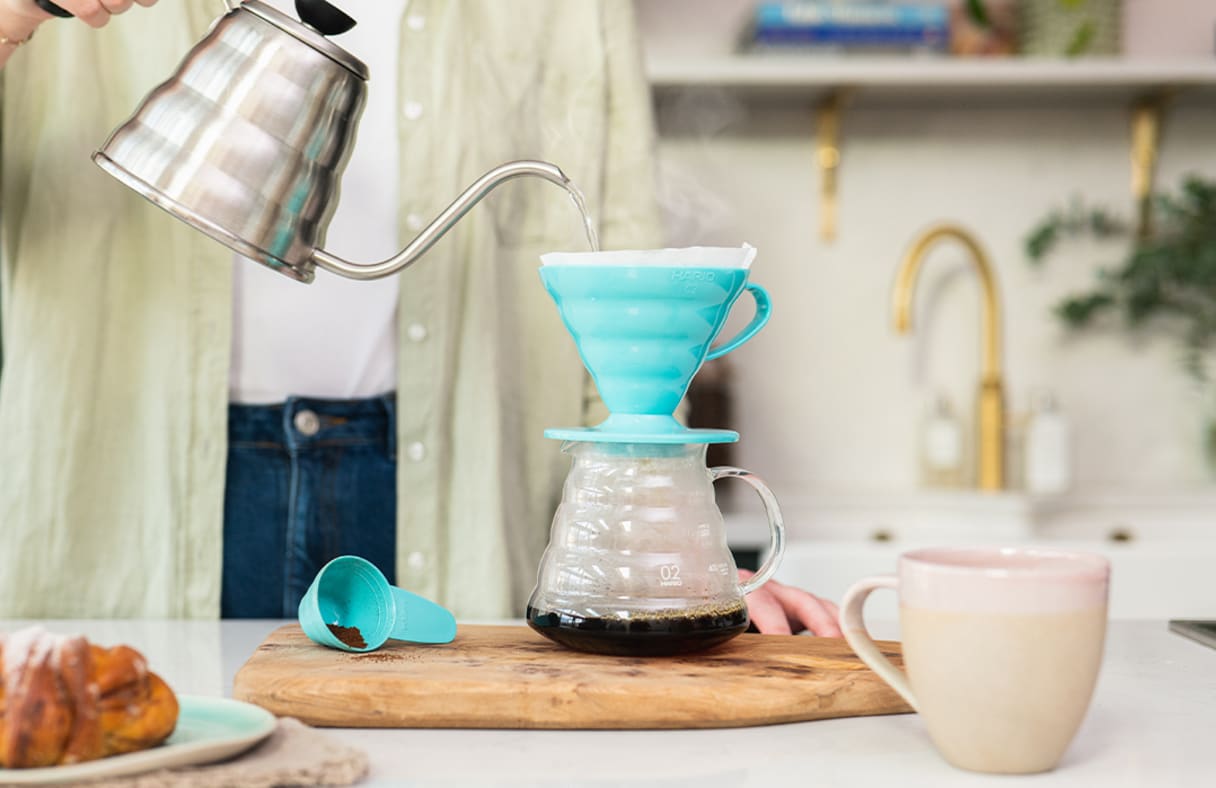
Brewing filter coffee with the Hario V60

What are the best coffee beans for filter coffee?

Filter coffee is where you go to taste the finer details. Whether you’re using a V60, a Chemex, or even a simple cafetière, filter brewing gives the coffee more time to bloom and breathe.

It’s a slower brewing process, which picks up on those subtle notes – like a hint of lavender or a crisp apple-like lift – that might get lost in a concentrated espresso.

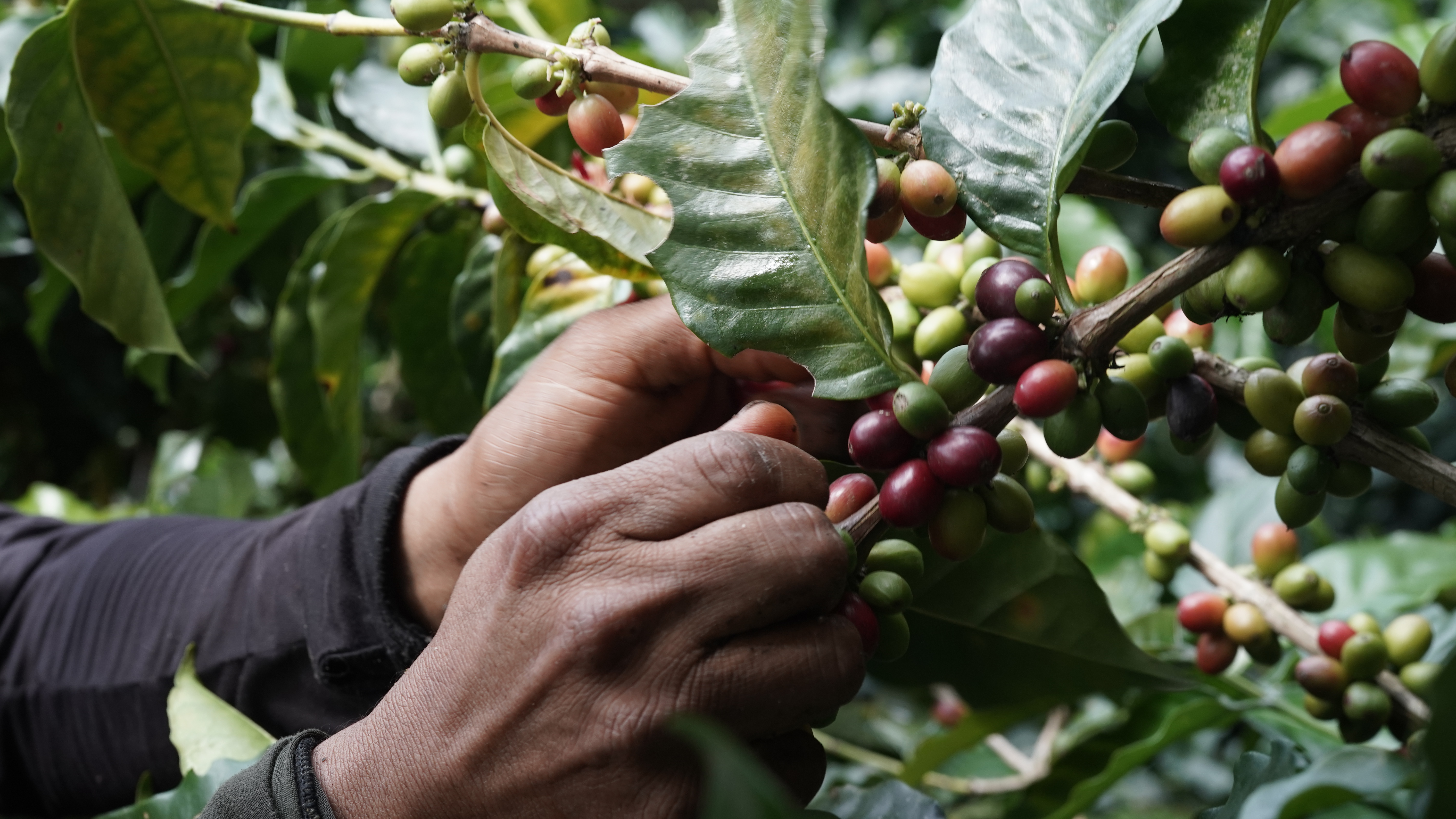
The secret to a great filter cup is starting with speciality-grade beans. This isn’t just a fancy title – it’s a strict quality standard. Speciality beans are picked by hand at the exact moment that they’re perfectly ripe and are free from the defects you’ll find in run-of-the-mill coffee.

When you brew them as a filter, you get a clean, vibrant cup that can even taste more like a premium tea or a fine wine than a bitter morning jolt.

The best filter coffee beans by roast profile

Light

With a light roast profile, you’ll have coffee that’s bright, clear, and carries a distinct ‘fruit-forward’ character. In the world of speciality filter coffee, certain countries of origin are famous for these high-clarity flavours.

Kenya

If you like your coffee to have a bit of a zing, Kenyan beans are the gold standard. They’re famous for their bright, berry-like acidity – think fresh blackcurrants. They’re punchy, clean, and incredibly refreshing as a cold brew.

Colombia

A great all-rounder for filter coffee. While Colombia produces plenty of chocolatey coffee, its best light-roast washed beans often have beautiful floral notes, like lychee and raspberry.

Medium

Honduras

Honduran medium roasts often have a smooth jammy sweetness (think plums, apricots, or raspberries) with a smooth, honey-like finish. They can also carry a comforting chocolatey profile, with dried-fruit complexity.

Dark

Brazil

The spiritual home of the great dark roast. Because the beans are often grown at lower altitudes and processed naturally (dried with the fruit on), they have a full body which works excellently when roasted for a bit longer. 

Expect a cup that tastes like a snap of high-quality dark chocolate or roasted peanuts.

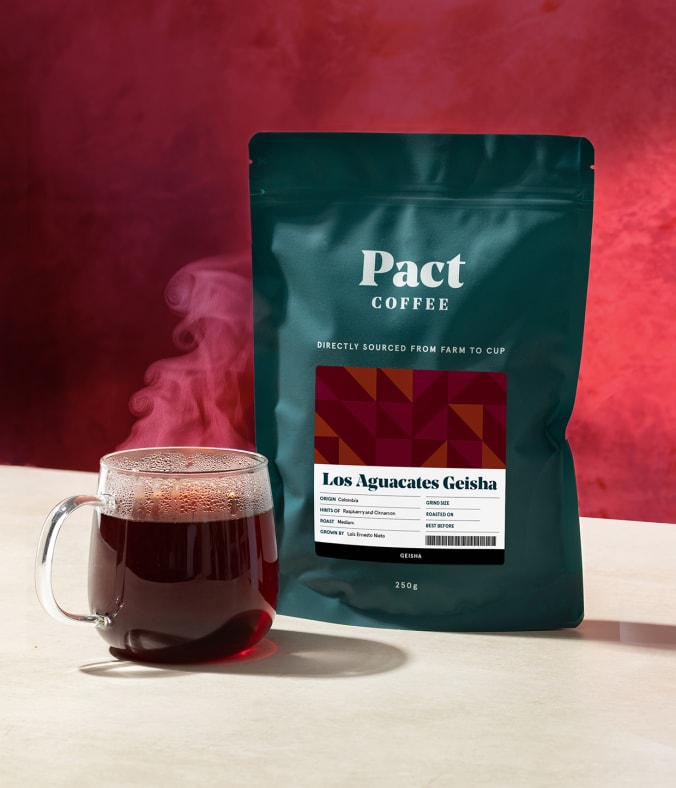
Los Aguacates Geisha, a Pact limited edition coffee

The world’s tastiest coffee?

In the world of speciality coffee, few names carry as much respect as Geisha (known as Gesha to some).

It’s widely considered the gold standard for filter brewing and can stop people in their tracks the first time they try it.

Geisha was originally discovered in Ethiopia and famously made its name on high-altitude farms in Panama. Geisha trees are incredibly difficult to grow – they’re delicate, low-yielding, and need very specific conditions to thrive.

But that grower dedication produces a flavour profile that’s unlike anything else – light, elegant, and almost tea-like in its clarity.

When you brew a Geisha, you aren’t getting the usual heavy, chocolatey notes. Instead, you’ll find a bright, sparkling cup filled with aromas of things like jasmine, bergamot, white peach, and lemon. 

Because it’s so layered and delicate, it’s the perfect coffee for the filter method, which allows those subtle, floral characteristics to shine.

Pulling an espresso with Pact Bourbon Cream

What are the best coffee beans for espresso?

When you’re pulling an espresso, the stakes are even higher. Because the water is pushed through the coffee so quickly and under so much pressure, every little detail – from the roast to the way the beans were processed – gets magnified.

If there’s a flaw in the bean, espresso will find it.

Best espresso beans for flat whites, cappuccinos, and lattes

If you’re looking for a concentrated shot that cuts through milk for the perfect flat white, a Brazilian/Colombia blend is just the ticket.

From the best of Brazil, you’ll get that smooth, comforting chocolatiness. When it’s blended with the light, sweet character of an exceptional Colombian coffee, you’ve got a fruity acidity that balances things nicely.

In our humble opinion, our Great Taste Award-winning Bourbon Cream Espresso is the ideal blend. You can pick it up on our website, Ocado, or from Waitrose and Whole Foods shelves. 

Best light roast espresso beans

If you’re used to the classic, punchy Italian-style shot, a light roast espresso might come as a bit of a surprise.

As these beans haven’t been roasted for as long, they retain their natural fruit acids and sugars, resulting in a shot that’s bright, zesty, and complex.

You’ll find plenty of this in Rwandan light espresso beans. The country’s signature Bourbon variety typically has hints of blackcurrant and a brown-sugar sweetness.

If you opt for the excellent coffee beans behind Colombian espresso, you can also discover a fascinating honeyed profile, with bold flavours of stone fruits.

The trick with light roast espresso is that it can be a little more temperamental to brew. You might need to grind your beans a bit finer to get that perfect balance, but the reward is a cup that’s bursting with personality.

Q&A

What is the secret to a great cup of filter coffee?

The secret is starting with speciality-grade beans. This isn’t just a title. It’s a strict quality standard where beans are hand-picked at peak ripeness and free from the defects found in run-of-the-mill coffee.

Why is Geisha coffee considered the gold standard for filter brewing?

Geisha (or Gesha) is prized for its rare, tea-like clarity and layered complexity. It’s grown on delicate trees to produce a profile unlike any other. Expect a sparkling cup filled with jasmine, bergamot, white peach, and lemon, rather than traditional heavy, chocolatey notes.

Which coffee is best for milk-based drinks like flat whites and lattes?

A Brazilian and Colombian blend is ideal for cutting through milk. The Brazilian beans provide a smooth, comforting chocolatiness, while the Colombian beans add a light, sweet character and fruity acidity that balances the drink perfectly.

What are the best coffee beans in 2026?

Will

Written by Will

Views

Published - 06 March 2026

Key takeaways

  • The secret to a great filter cup is starting with speciality-grade beans. It then depends on whether you prefer a light, medium, or dark roast. 

  • The best coffee beans for a flat white, latte, or cappuccino are Brazilian/Colombian blends, like our Bourbon Cream Espresso, or South American/African blends, like Fruit & Nut Espresso.

  • Light roast espresso beans can come as a delightful surprise, bringing bright, fruity hints to a concentrated body.

In 2026, coffee drinkers have moved past the days of just picking up any bag (or jar!). Now, it’s all about finding beans with a real story behind them.

For us at Pact, finding ‘the best’ coffee beans really comes down to three things: the brilliance of the grower, your preferred brewing method, and your personal taste in roast and profile. 

In this guide, we’ll show you which origins are the stars of competitions and home set-ups right now, and why they’re worth your time.

Brewing filter coffee with the Hario V60

What are the best coffee beans for filter coffee?

Filter coffee is where you go to taste the finer details. Whether you’re using a V60, a Chemex, or even a simple cafetière, filter brewing gives the coffee more time to bloom and breathe.

It’s a slower brewing process, which picks up on those subtle notes – like a hint of lavender or a crisp apple-like lift – that might get lost in a concentrated espresso.

The secret to a great filter cup is starting with speciality-grade beans. This isn’t just a fancy title – it’s a strict quality standard. Speciality beans are picked by hand at the exact moment that they’re perfectly ripe and are free from the defects you’ll find in run-of-the-mill coffee.

When you brew them as a filter, you get a clean, vibrant cup that can even taste more like a premium tea or a fine wine than a bitter morning jolt.

The best filter coffee beans by roast profile

Light

With a light roast profile, you’ll have coffee that’s bright, clear, and carries a distinct ‘fruit-forward’ character. In the world of speciality filter coffee, certain countries of origin are famous for these high-clarity flavours.

Kenya

If you like your coffee to have a bit of a zing, Kenyan beans are the gold standard. They’re famous for their bright, berry-like acidity – think fresh blackcurrants. They’re punchy, clean, and incredibly refreshing as a cold brew.

Colombia

A great all-rounder for filter coffee. While Colombia produces plenty of chocolatey coffee, its best light-roast washed beans often have beautiful floral notes, like lychee and raspberry.

Medium

Honduras

Honduran medium roasts often have a smooth jammy sweetness (think plums, apricots, or raspberries) with a smooth, honey-like finish. They can also carry a comforting chocolatey profile, with dried-fruit complexity.

Dark

Brazil

The spiritual home of the great dark roast. Because the beans are often grown at lower altitudes and processed naturally (dried with the fruit on), they have a full body which works excellently when roasted for a bit longer. 

Expect a cup that tastes like a snap of high-quality dark chocolate or roasted peanuts.

Los Aguacates Geisha, a Pact limited edition coffee

The world’s tastiest coffee?

In the world of speciality coffee, few names carry as much respect as Geisha (known as Gesha to some).

It’s widely considered the gold standard for filter brewing and can stop people in their tracks the first time they try it.

Geisha was originally discovered in Ethiopia and famously made its name on high-altitude farms in Panama. Geisha trees are incredibly difficult to grow – they’re delicate, low-yielding, and need very specific conditions to thrive.

But that grower dedication produces a flavour profile that’s unlike anything else – light, elegant, and almost tea-like in its clarity.

When you brew a Geisha, you aren’t getting the usual heavy, chocolatey notes. Instead, you’ll find a bright, sparkling cup filled with aromas of things like jasmine, bergamot, white peach, and lemon. 

Because it’s so layered and delicate, it’s the perfect coffee for the filter method, which allows those subtle, floral characteristics to shine.

Pulling an espresso with Pact Bourbon Cream

What are the best coffee beans for espresso?

When you’re pulling an espresso, the stakes are even higher. Because the water is pushed through the coffee so quickly and under so much pressure, every little detail – from the roast to the way the beans were processed – gets magnified.

If there’s a flaw in the bean, espresso will find it.

Best espresso beans for flat whites, cappuccinos, and lattes

If you’re looking for a concentrated shot that cuts through milk for the perfect flat white, a Brazilian/Colombia blend is just the ticket.

From the best of Brazil, you’ll get that smooth, comforting chocolatiness. When it’s blended with the light, sweet character of an exceptional Colombian coffee, you’ve got a fruity acidity that balances things nicely.

In our humble opinion, our Great Taste Award-winning Bourbon Cream Espresso is the ideal blend. You can pick it up on our website, Ocado, or from Waitrose and Whole Foods shelves. 

Best light roast espresso beans

If you’re used to the classic, punchy Italian-style shot, a light roast espresso might come as a bit of a surprise.

As these beans haven’t been roasted for as long, they retain their natural fruit acids and sugars, resulting in a shot that’s bright, zesty, and complex.

You’ll find plenty of this in Rwandan light espresso beans. The country’s signature Bourbon variety typically has hints of blackcurrant and a brown-sugar sweetness.

If you opt for the excellent coffee beans behind Colombian espresso, you can also discover a fascinating honeyed profile, with bold flavours of stone fruits.

The trick with light roast espresso is that it can be a little more temperamental to brew. You might need to grind your beans a bit finer to get that perfect balance, but the reward is a cup that’s bursting with personality.

Q&A

What is the secret to a great cup of filter coffee?

The secret is starting with speciality-grade beans. This isn’t just a title. It’s a strict quality standard where beans are hand-picked at peak ripeness and free from the defects found in run-of-the-mill coffee.

Why is Geisha coffee considered the gold standard for filter brewing?

Geisha (or Gesha) is prized for its rare, tea-like clarity and layered complexity. It’s grown on delicate trees to produce a profile unlike any other. Expect a sparkling cup filled with jasmine, bergamot, white peach, and lemon, rather than traditional heavy, chocolatey notes.

Which coffee is best for milk-based drinks like flat whites and lattes?

A Brazilian and Colombian blend is ideal for cutting through milk. The Brazilian beans provide a smooth, comforting chocolatiness, while the Colombian beans add a light, sweet character and fruity acidity that balances the drink perfectly.